
Improving airtightness is one of the most practical ways to boost thermal performance and acoustic control in any Australian building. Uncontrolled air leakage leads to significant heat loss and uncomfortable draughts. It also causes moisture issues around openings and junctions. Our range of flexible sealants and expanding foams helps you create a complete air seal around windows, doors, and service penetrations.
To achieve a professional-grade seal, we recommend a two-part approach. Use our flexible sealants for the perimeter joints and our expanding foams for the internal cavity zones. This combination ensures your building envelope remains tight and energy-efficient for years.
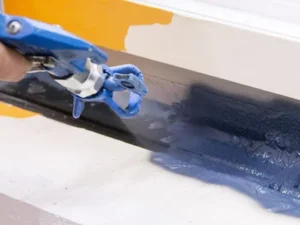
Why Airtightness Matters
An airtight building is a more comfortable and cost-effective building. By managing air leakage, you directly improve the living environment and the longevity of the structure.
Energy Efficiency: Reducing draughts means your heating and cooling systems don’t have to work as hard. This lowers energy bills and supports sustainable building standards.
Acoustic Control: A tighter seal significantly reduces external noise. This is vital for residential projects in busy urban areas or near main roads.
Moisture Prevention: Proper sealing stops moist air from entering wall cavities. This prevents the growth of mould and protects the structural integrity of your timber or steel frames.
Flexible Performance: Our products are designed to move with the building. This prevents the seals from cracking as temperatures fluctuate throughout the Australian seasons.
Professional Airtightness Range
We offer a specific set of tools and formulas to handle every junction in the building envelope.
SMX25 Flex & Seal: A high-performance, flexible sealant designed for perimeter joints. It provides a durable air seal while allowing for structural movement.
Gap Filling Expanding Foam: Available in Genius, Straw and Gun Grade formats. This foam expands to fill voids in the cavity zone, providing a permanent thermal and air barrier.
Flexible Insulation Expanding Foam: Specifically engineered for areas that require high thermal and acoustic insulation without putting pressure on the surrounding frames.
Economic PU Foam Gun: Use this heavy-duty applicator for precise control when applying gun-grade foams. It reduces waste and ensures a cleaner finish on-site.
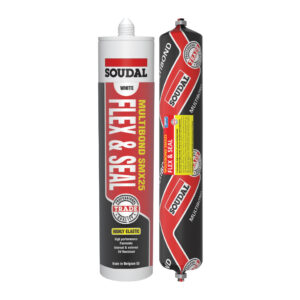
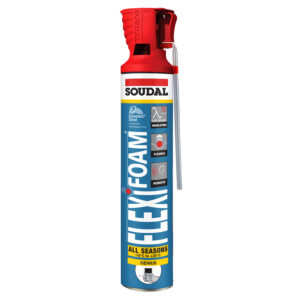
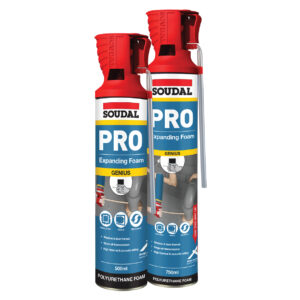
Ready to start your project? Use our Store Locator to find your nearest Soudal stockist and grab the right airtightness tools today.
FAQs
Where is airtightness most important in a house?
The most critical areas are the junctions where different materials meet. This includes the gaps around window and door frames, where electrical or plumbing services penetrate the walls, and along the base of skirting boards.
Can I use standard silicone for airtight sealing?
While silicone is waterproof, an airtight seal often requires higher flexibility and better adhesion to various building substrates. Our SMX polymer range, like SMX25 Flex & Seal, is designed specifically for these high-performance trade applications.
What is the "cavity zone" in a window installation?
The cavity zone is the space between the window frame and the structural wall opening. To ensure a complete seal, you should fill this void with an expanding foam before applying a flexible sealant to the visible perimeter joint.
Will airtight sealing prevent all ventilation?
No. Airtightness is about stopping uncontrolled air leaks. Controlled ventilation, such as through HVAC systems or window vents, is still necessary to maintain indoor air quality.