

Timber Flooring Adhesives & Sealants
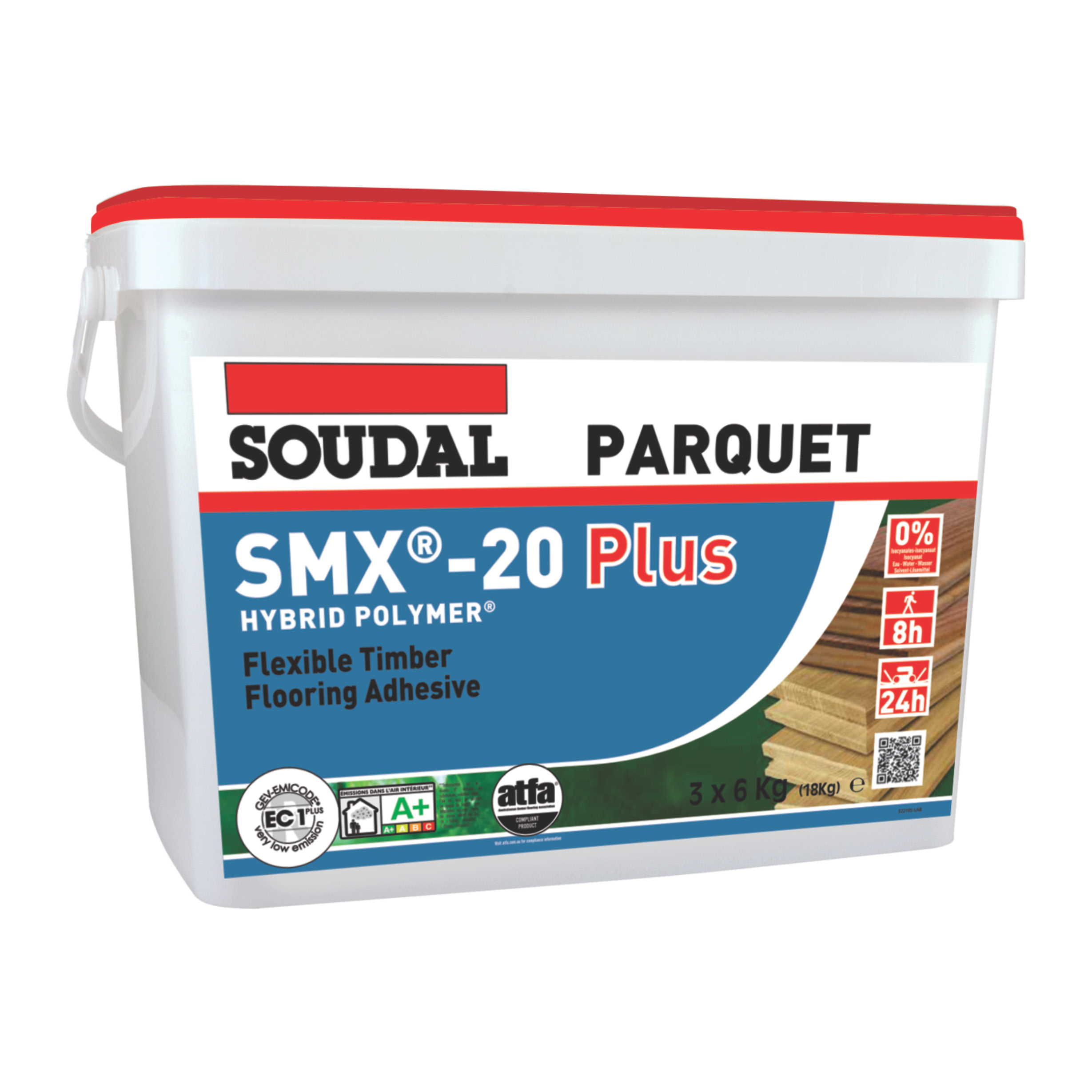
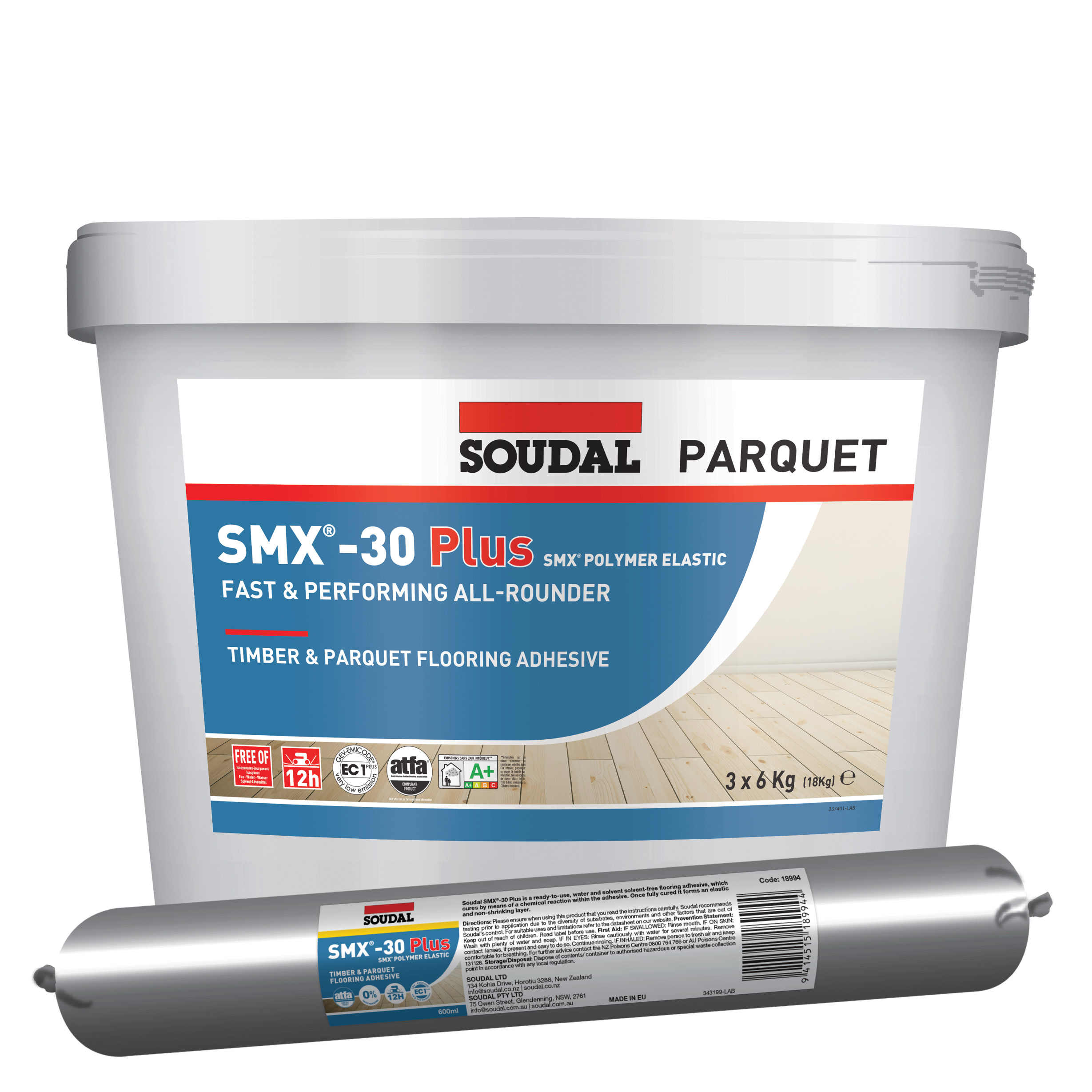
Timber flooring adhesive from Soudal bonds engineered and solid timber flooring to concrete and prepared subfloors, covering flexible SMX and polyurethane flooring adhesives and matched moisture barriers and primers. The range is built for a strong, flexible bond that handles the movement and moisture demands of a timber floor.
A floor that stays down and stays quiet, board after board.
Flexible flooring adhesives hold timber boards firmly while accommodating the natural movement of timber with temperature and humidity, and many formulations reduce sound transfer through the floor. Moisture barriers and primers prepare and protect the subfloor, since concrete moisture is a common cause of timber floor failure. Adhesive and preparation products are matched so the system performs as intended. See our flooring application pages for installation guidance.
Trowels
How to choose the right flooring product
Selection depends on the flooring type, the subfloor, and the moisture and sound requirements.
Engineered and solid timber bonding. A flexible SMX or polyurethane flooring adhesive, which bonds boards firmly while allowing for timber movement.
Moisture management. A moisture barrier or primer over concrete subfloors, since concrete moisture is a leading cause of timber floor failure.
Sound reduction. A flooring adhesive formulated to reduce impact sound transfer through the floor, useful in apartments and upper-level floors.
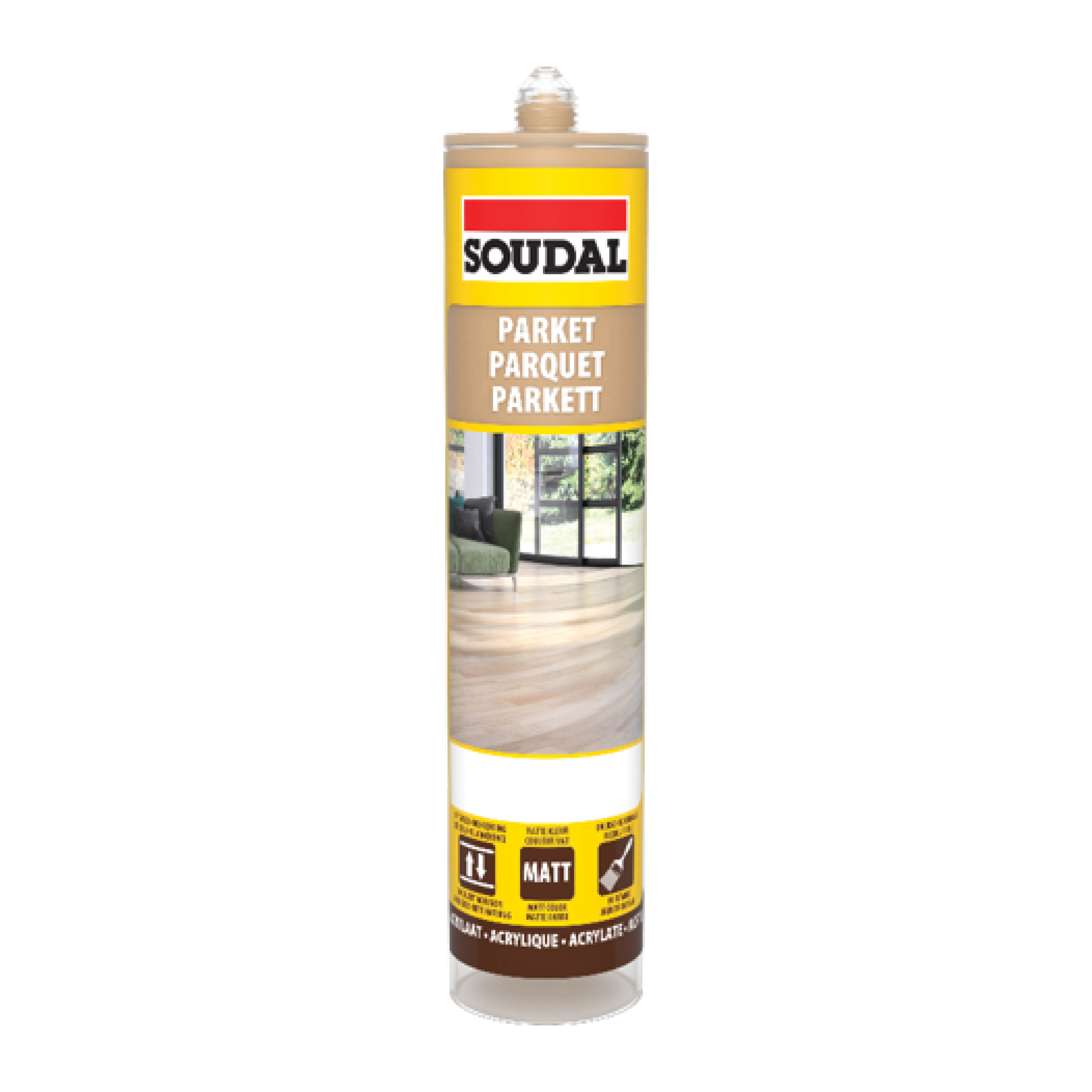
Subfloor preparation. A primer matched to the subfloor, to bind the surface and improve adhesion before the flooring adhesive is applied.
Technical differentiators
- Chemistry: Flexible SMX and polyurethane flooring adhesives that accommodate timber movement
- Moisture management: Moisture barriers and primers to control concrete subfloor moisture
- Sound reduction: Formulations that reduce impact sound transfer through the floor
- Flexibility: Elastic bonds that hold boards while allowing natural expansion and contraction
- System match: Adhesives, primers, and moisture barriers matched to work together
Application guidance
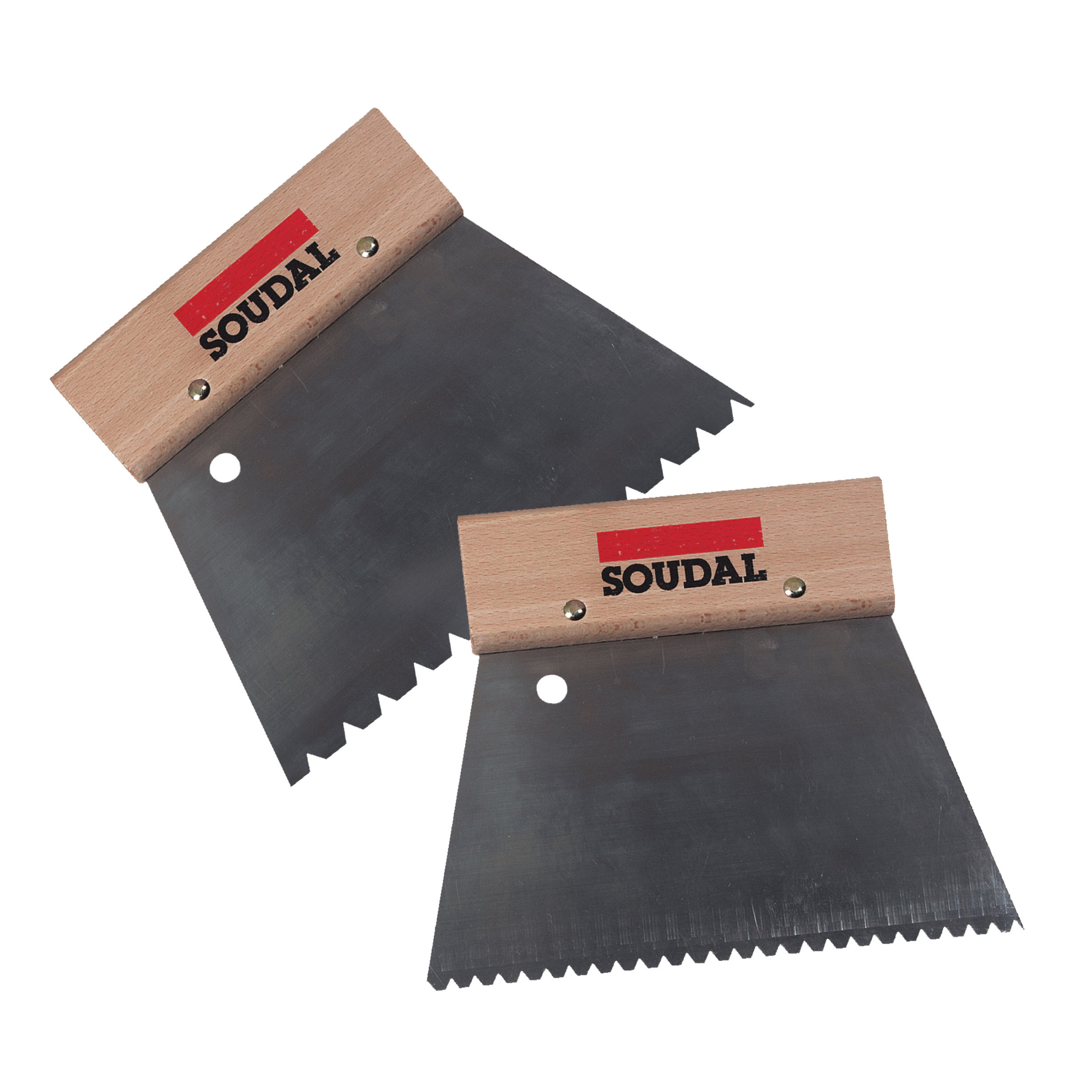
Test and prepare the subfloor first, checking concrete moisture and flatness, since both cause floor failures if ignored. Apply a moisture barrier and primer where the system requires it, and allow them to cure before bonding. Spread the flooring adhesive with the correct trowel for the board, working within its open time. Lay boards into the adhesive and follow the manufacturer’s expansion gap and acclimatisation guidance for the flooring. Allow the adhesive to cure before heavy traffic or loading. See our flooring application pages for detailed installation steps.
Where to buy
Find Soudal timber flooring products through trade merchants and hardware stores across Australia. Use our store locator to find your nearest stockist, or contact us for technical advice on your project.
Timber flooring FAQs
What adhesive is used for engineered timber flooring?
A flexible SMX or polyurethane flooring adhesive, which bonds boards firmly while accommodating the natural movement of timber with temperature and humidity.
Do I need a moisture barrier under timber flooring?
Over concrete subfloors, a moisture barrier is generally required, since concrete moisture is a leading cause of timber floor failure. Test the subfloor moisture and follow the system requirements.
Can flooring adhesive reduce noise?
Some flooring adhesives are formulated to reduce impact sound transfer through the floor, which is useful in apartments and on upper-level floors. Check the product for its sound-reduction rating.
Why does timber flooring adhesive need to be flexible?
Timber expands and contracts with temperature and humidity. A flexible adhesive holds the boards firmly while allowing that movement, reducing the risk of lifting, cupping, or bond failure.