

Silicone Sealants
Silicone sealant from Soudal covers bathroom and kitchen use, roofing and guttering, glazing, high-temperature applications, and general-purpose sealing, in both acetic and neutral-cure formulations. The range spans clear and coloured options in cartridge and sausage formats, with each product formulated for a specific exposure condition.
Built for the room, the roofline, or the workshop, not just the label.
Bathroom and kitchen silicones include fungicide to slow mould growth in wet areas, while roof and gutter silicones carry stronger UV stabilisation for constant sun exposure. Neutral-cure silicones bond to a wider range of substrates, including some metals and natural stone, without the corrosion risk of acetic-cure products. High-temperature silicones handle continuous heat for engine bay and industrial use. See the Sealants / Adhesives range for paintable hybrid and polyurethane alternatives.
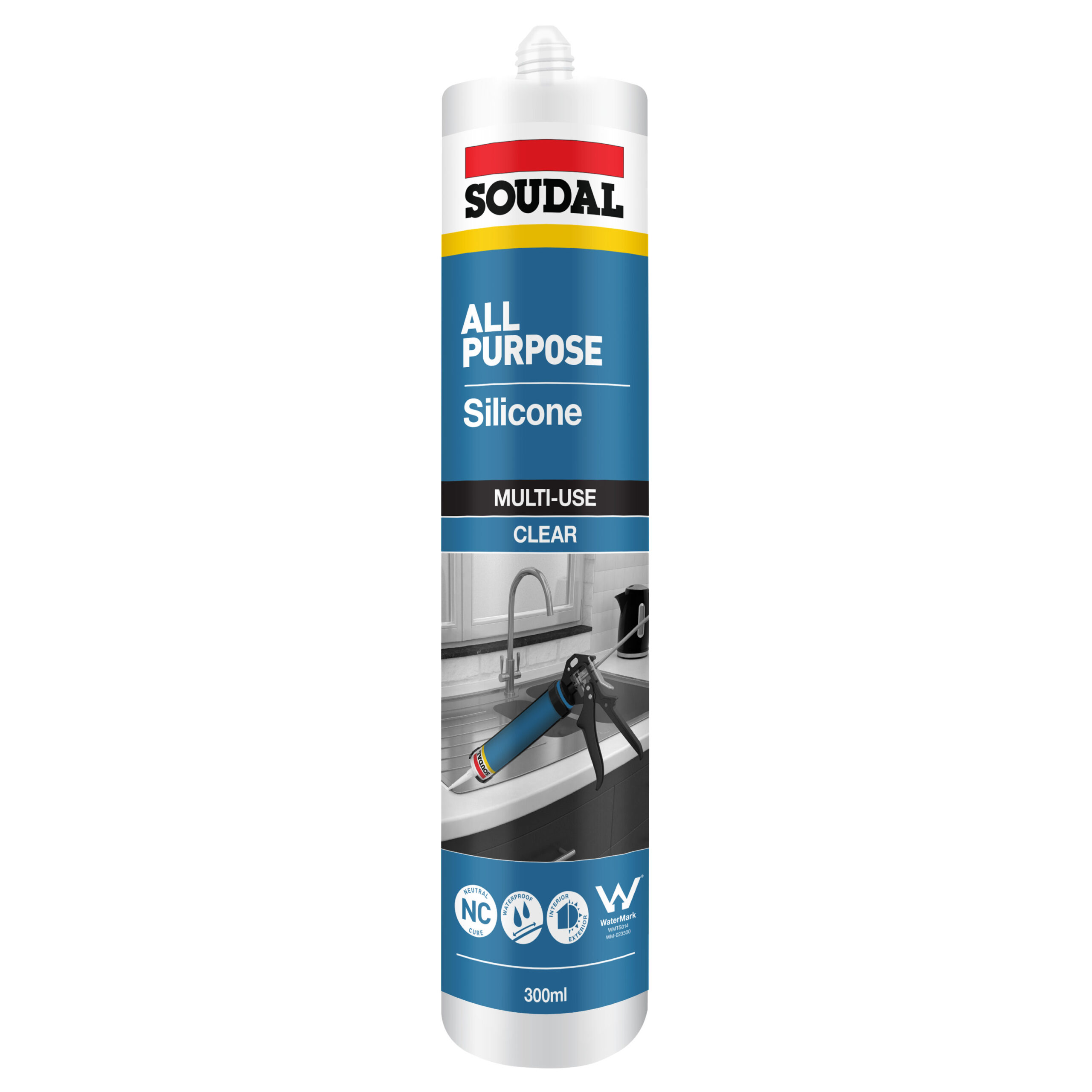
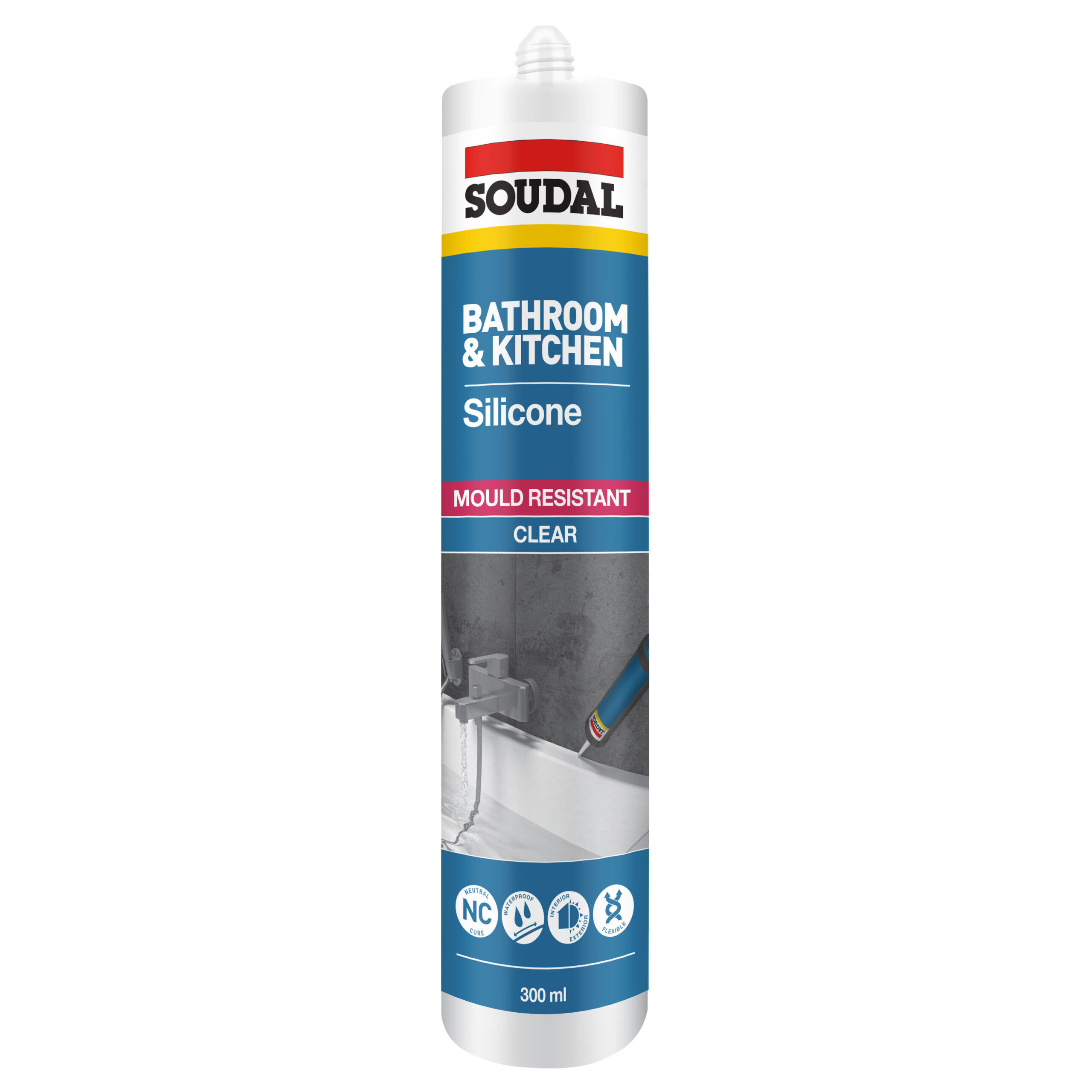
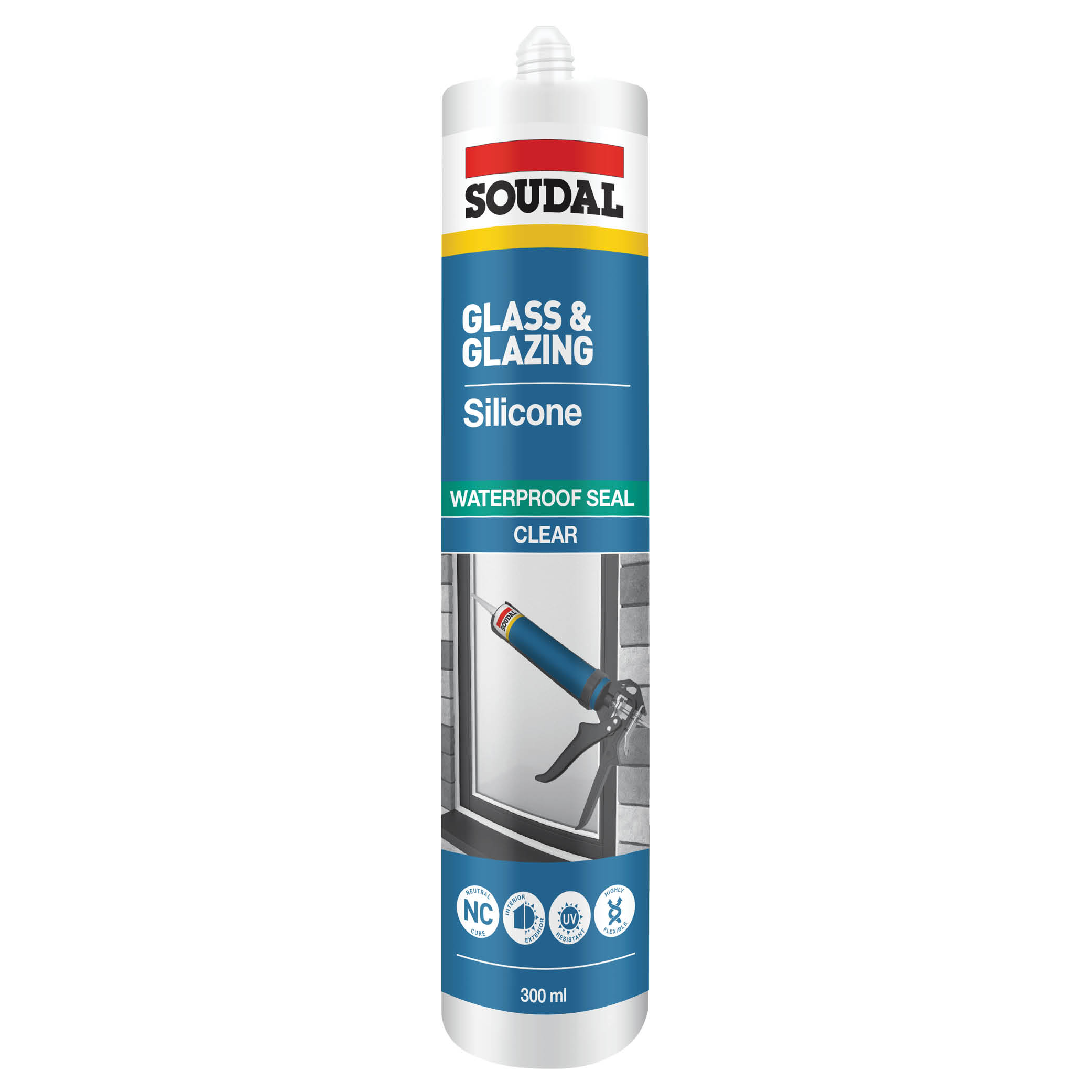
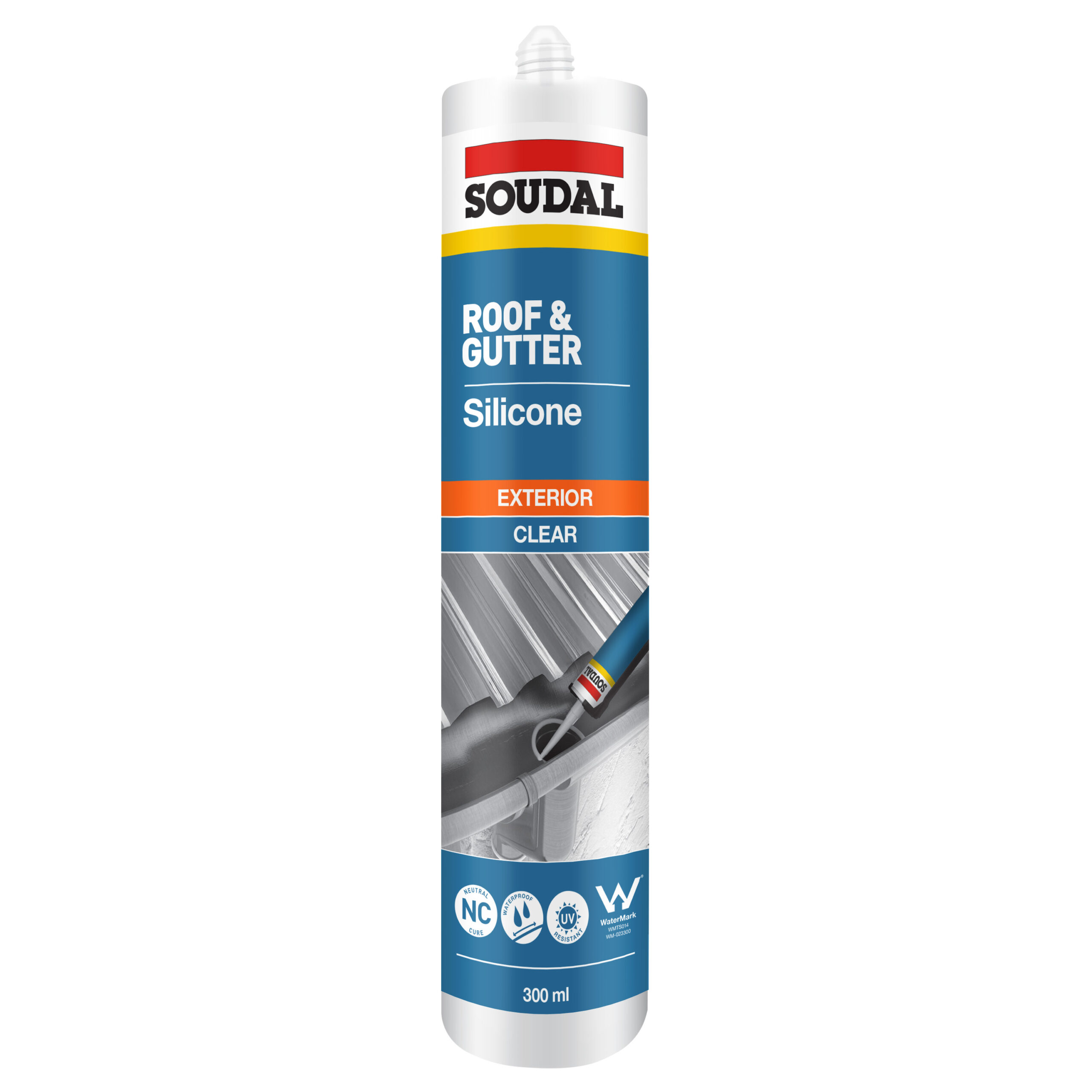
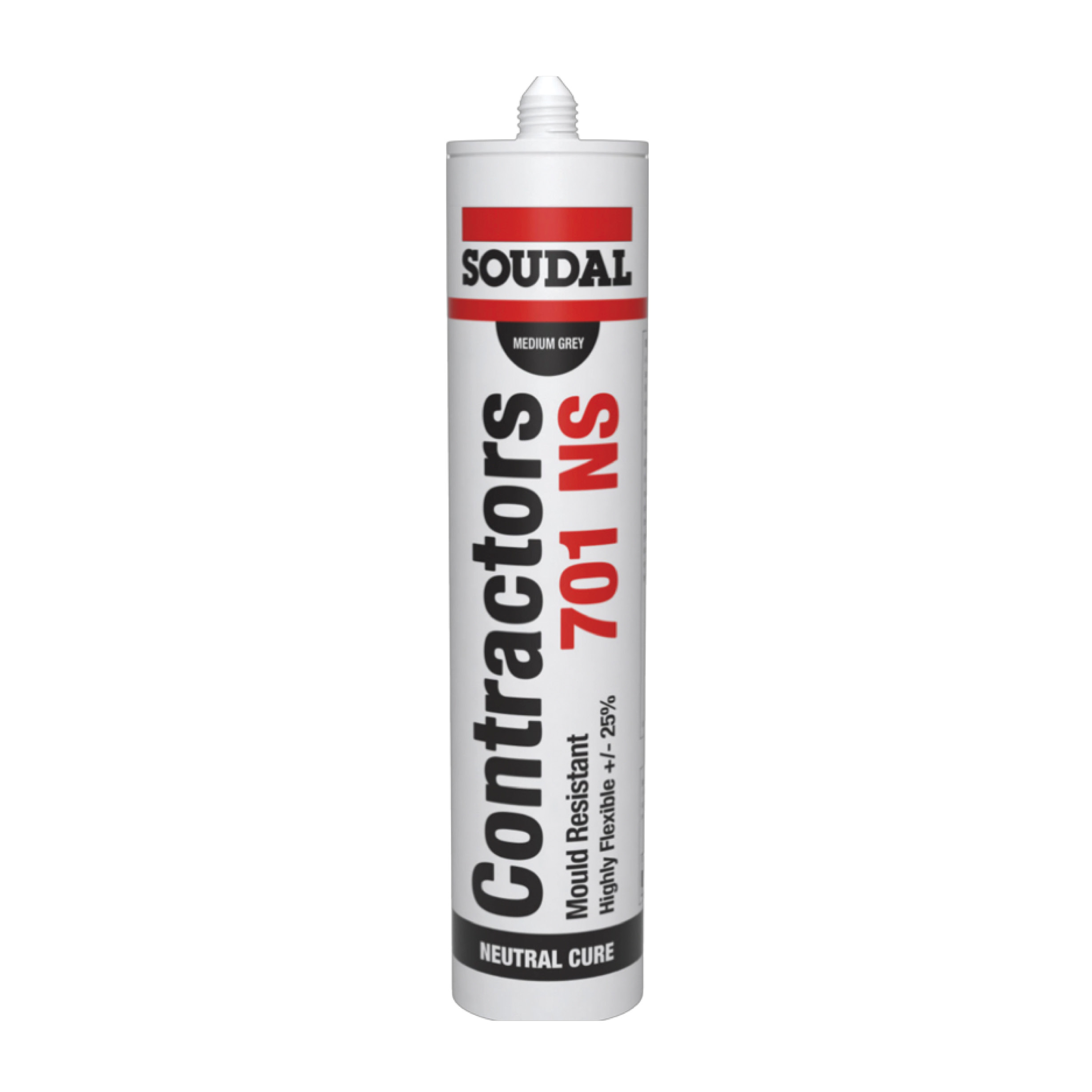
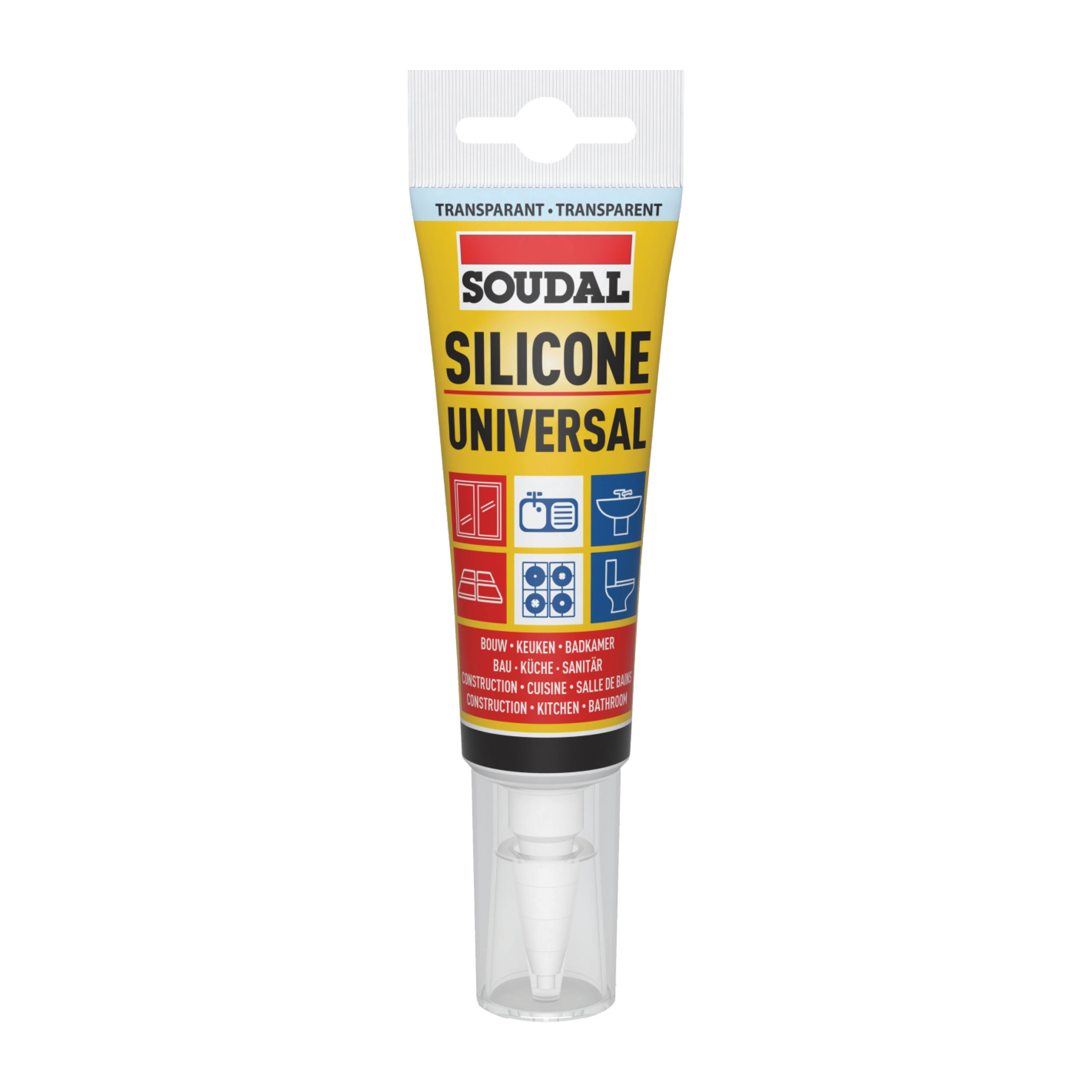
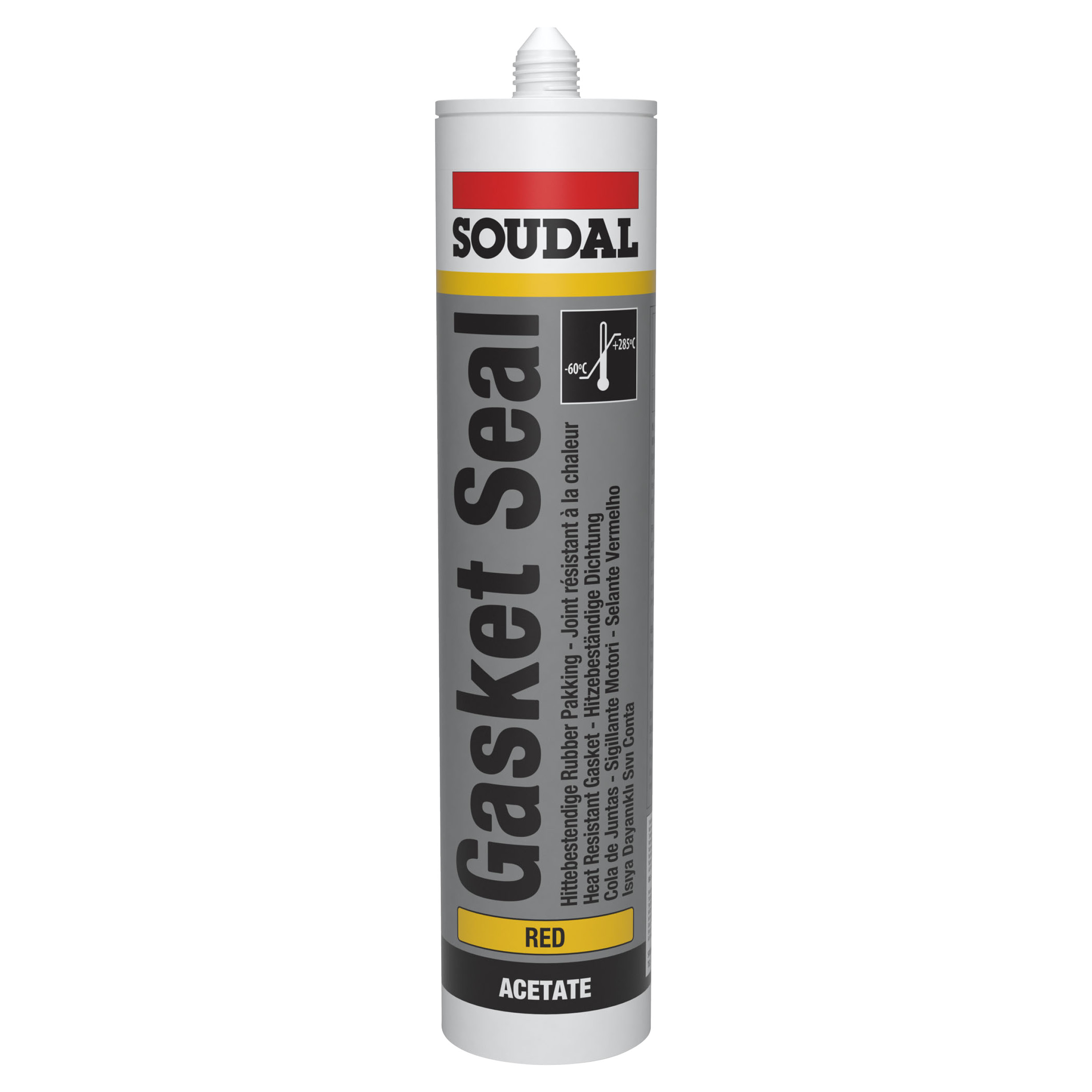
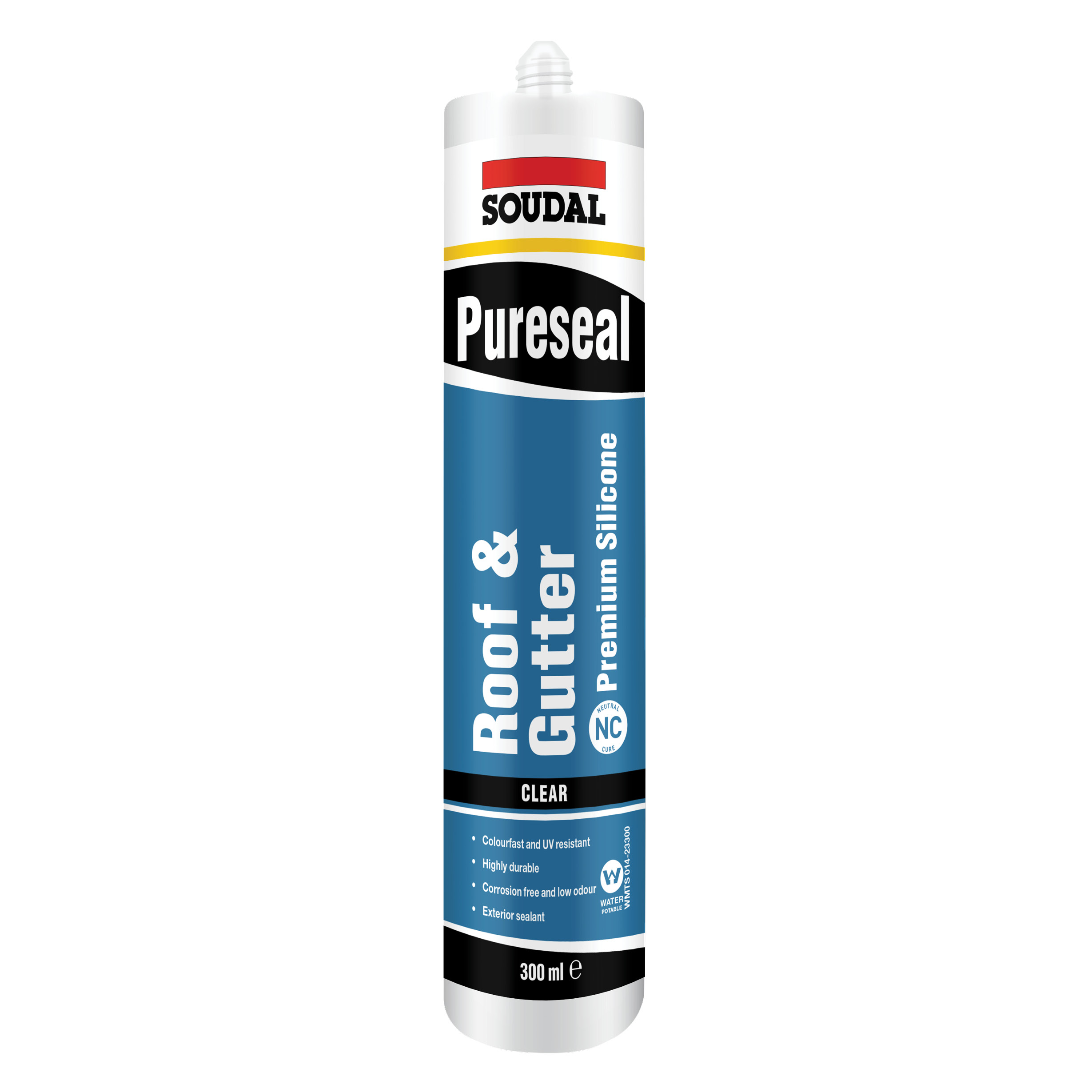

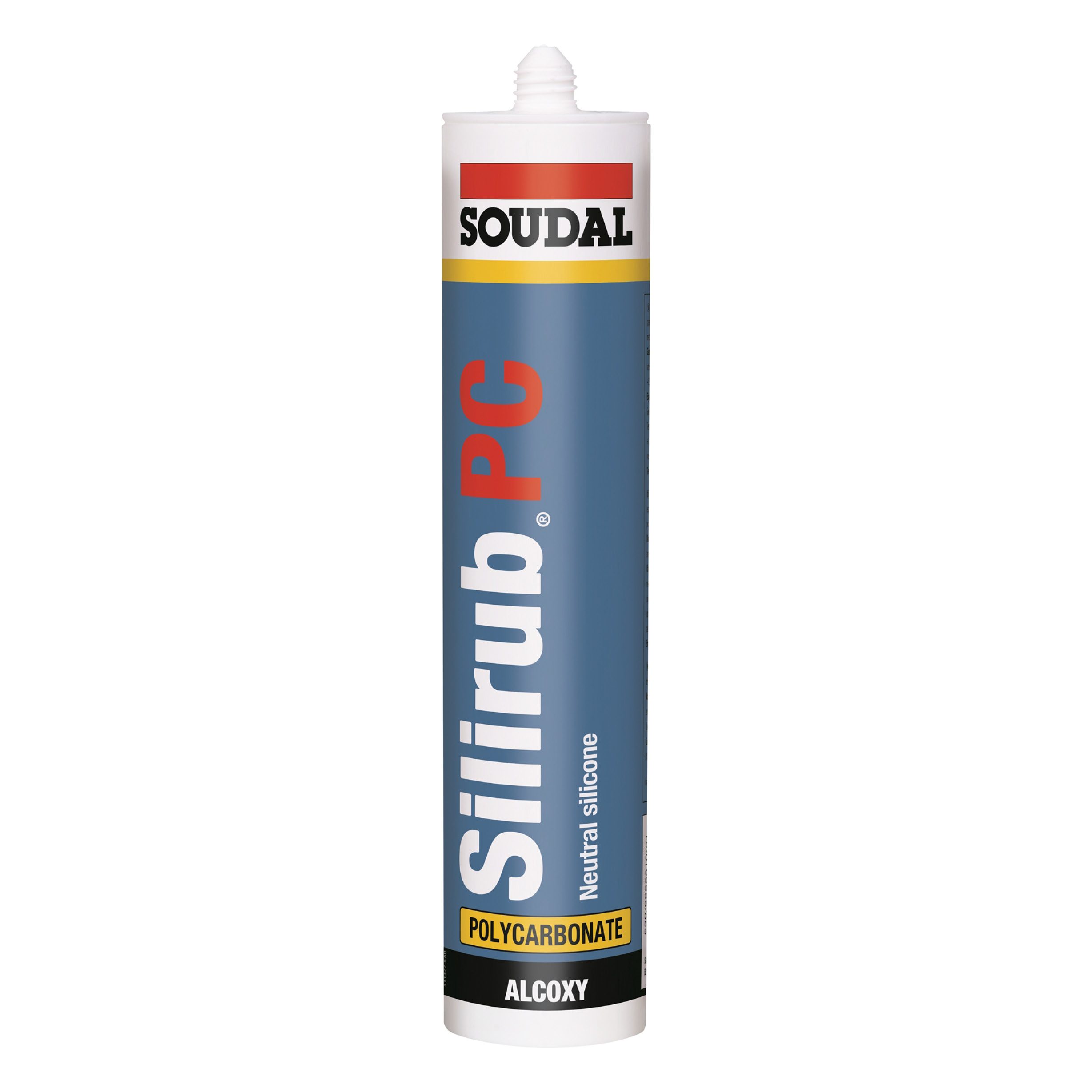
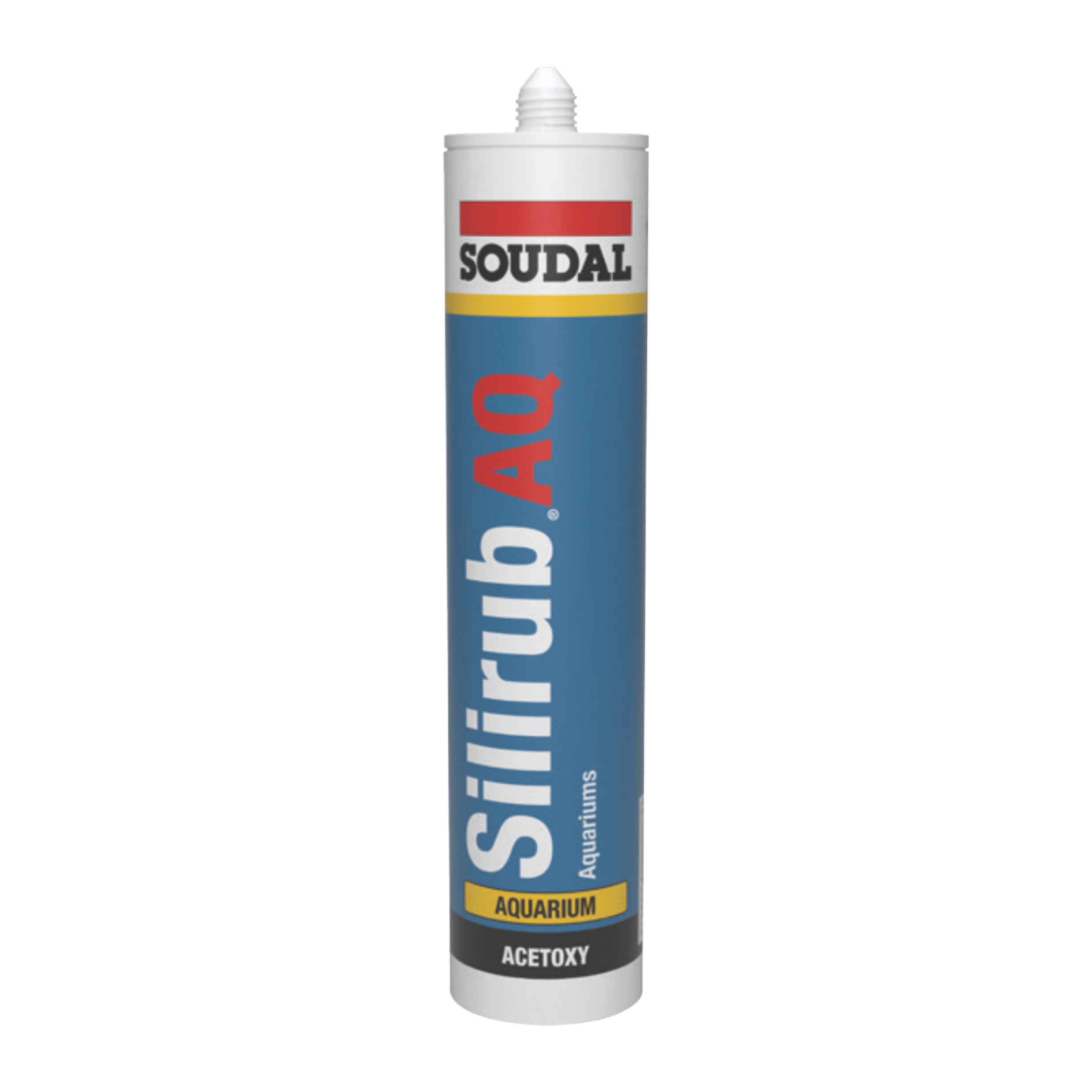
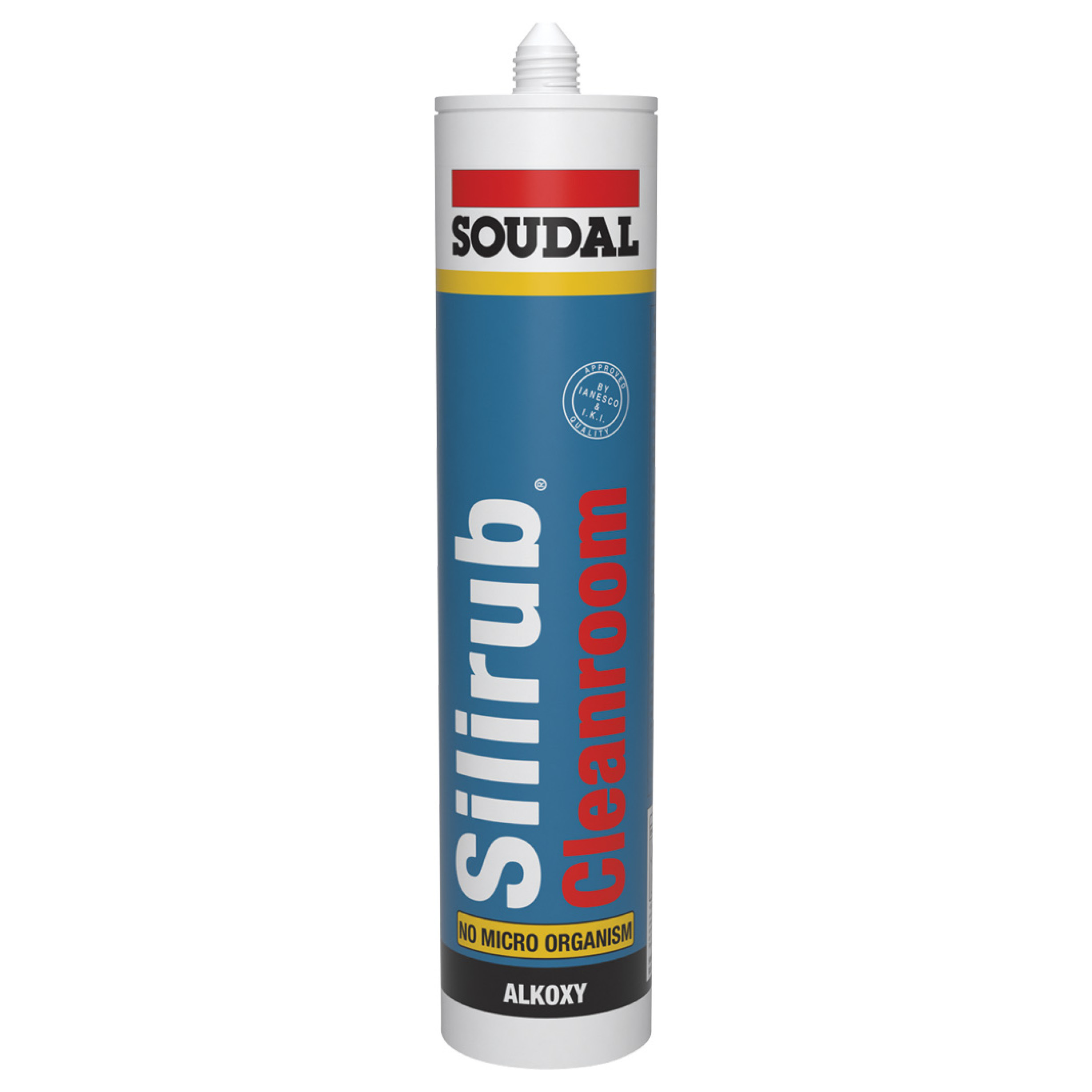
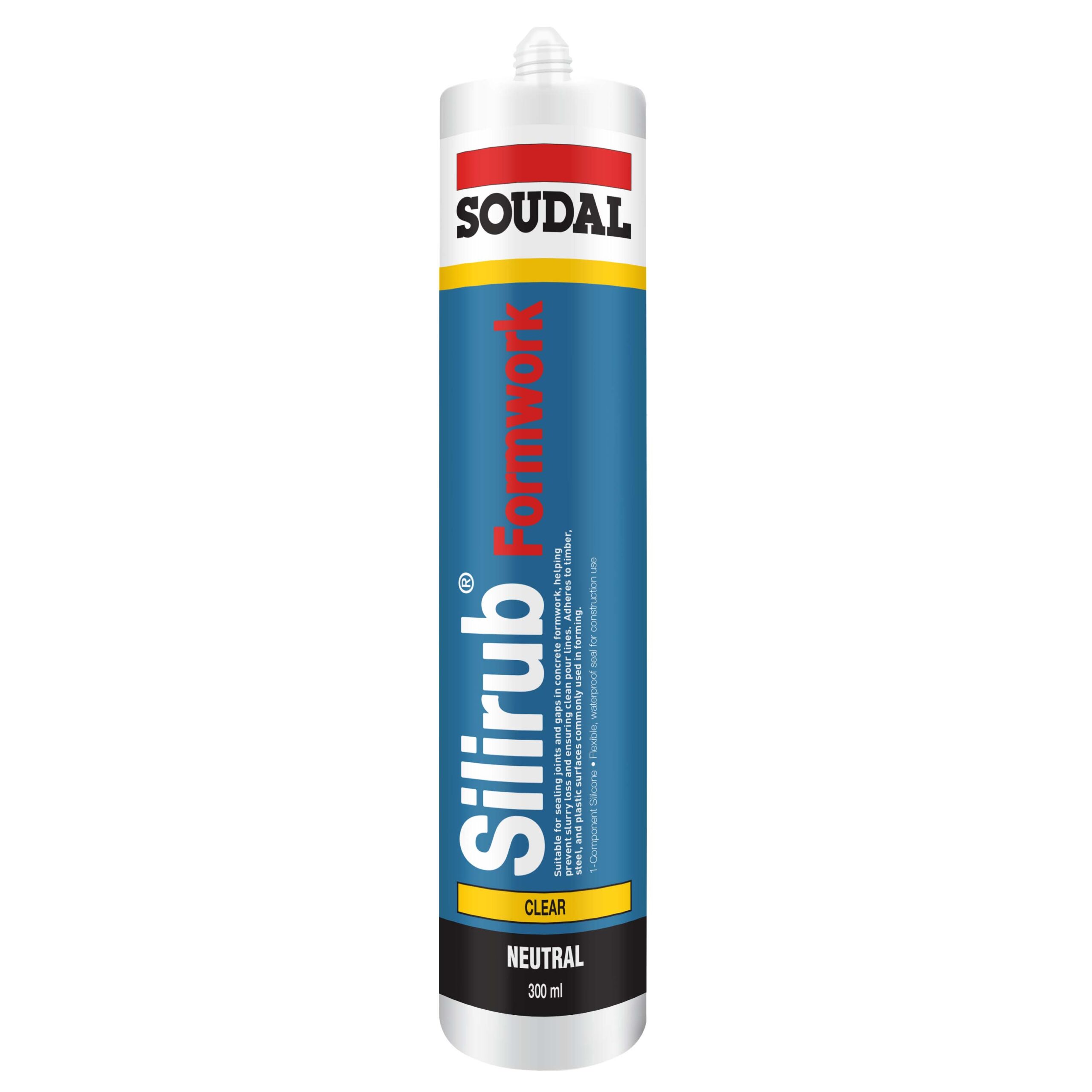
How to choose the right silicone sealant
Selection depends on the location, the substrate, and whether the joint sees heat, UV, or constant moisture.
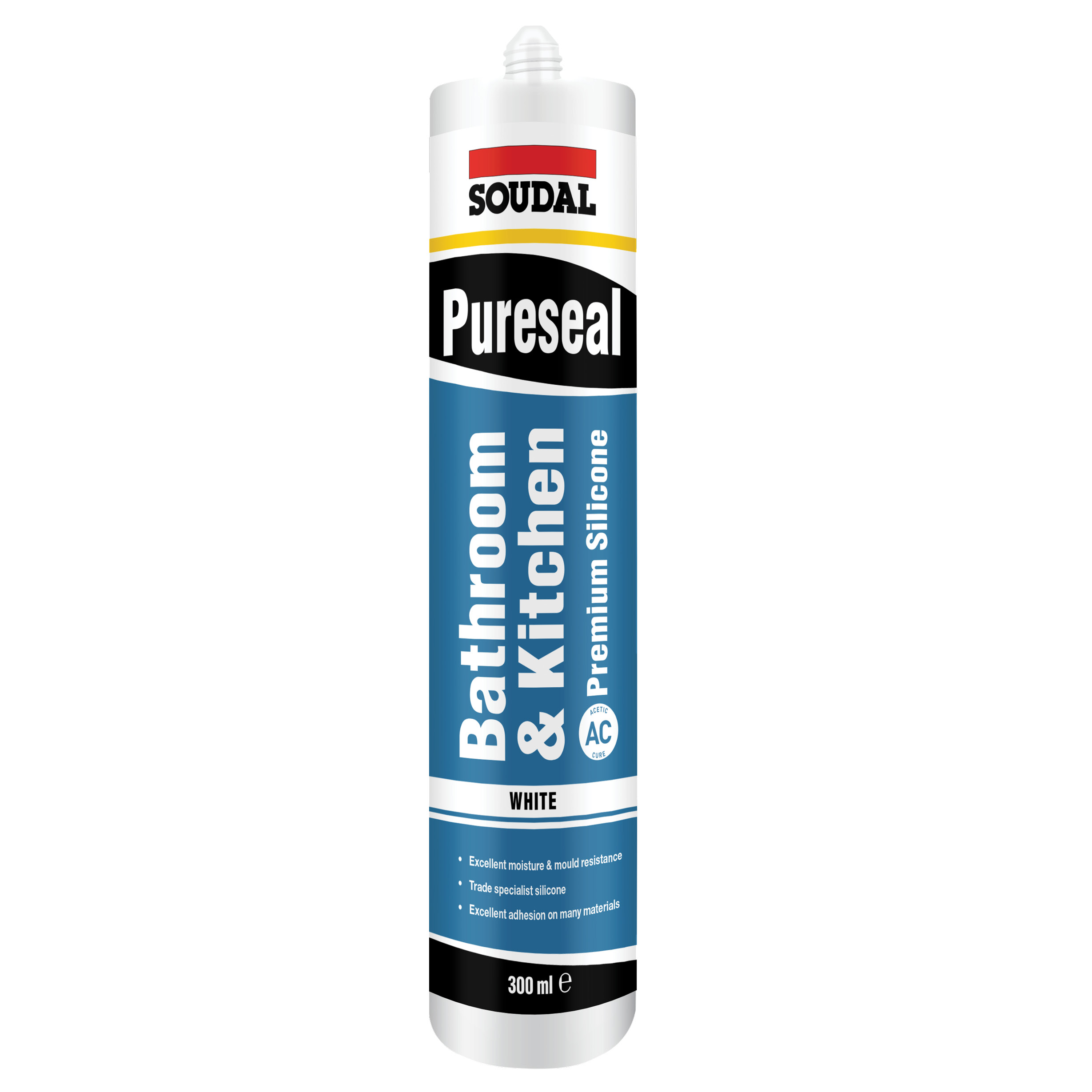
Wet areas. A mould-resistant bathroom and kitchen silicone, formulated to inhibit mould around baths, showers, sinks, and laundries.
Roofing and guttering. A UV-stabilised roof and gutter silicone, formulated to resist constant sun exposure without yellowing or cracking.
Glazing and glasswork. A glass and glazing silicone, suited to shopfronts, mirrors, and glazing joints where clarity and UV resistance both matter.
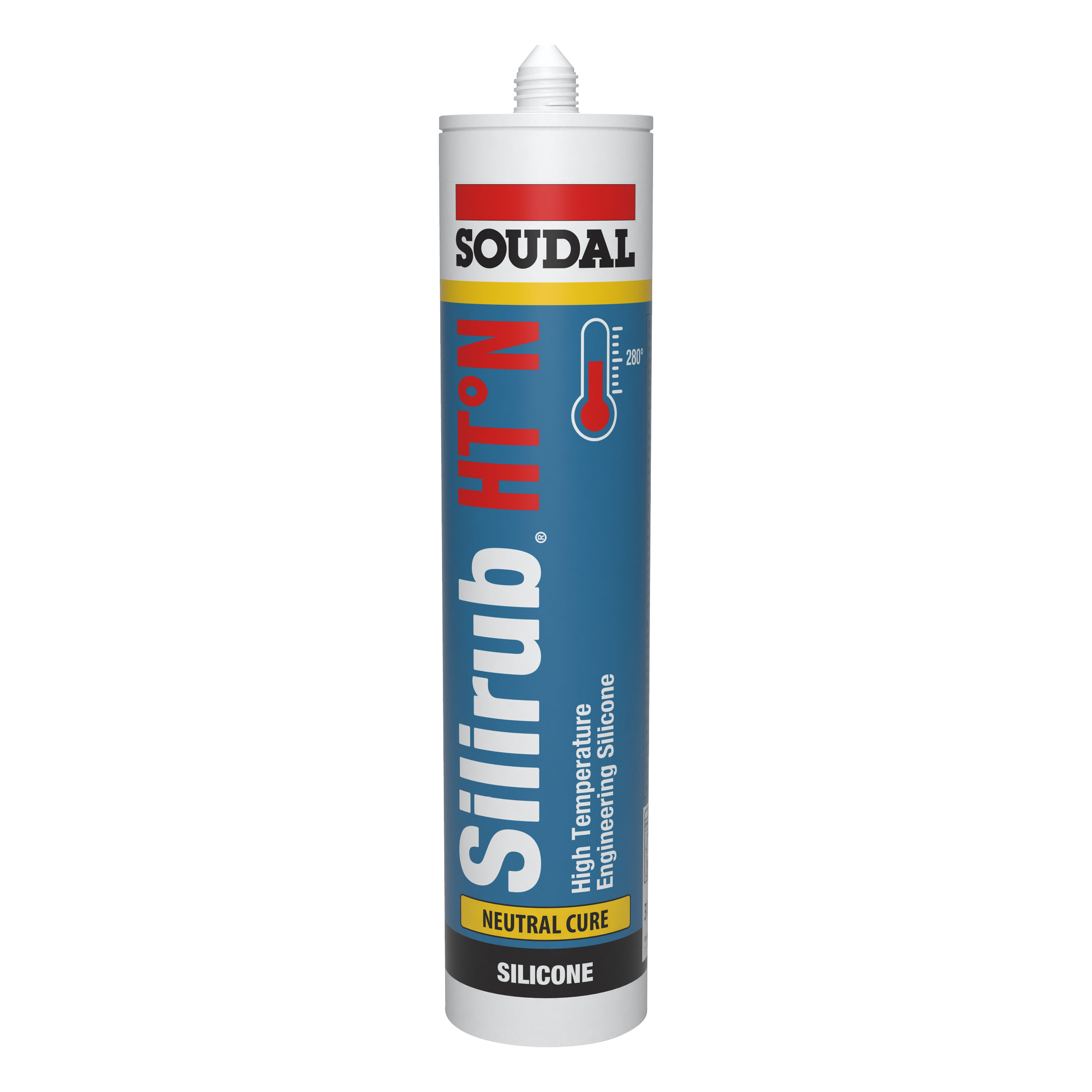
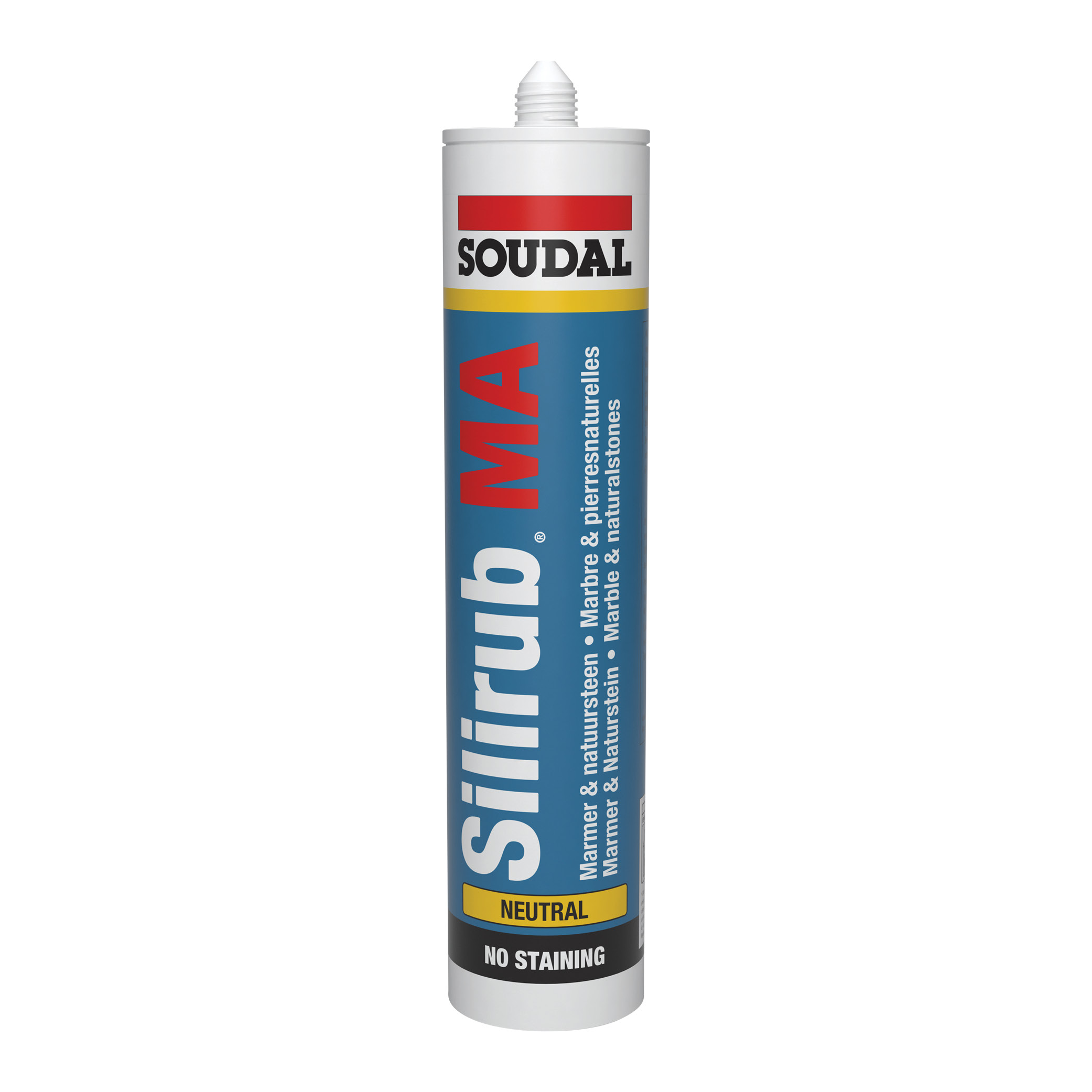
Broad substrate compatibility. A neutral-cure silicone, which bonds to a wider range of substrates including some metals and natural stone, without acetic acid corrosion risk.
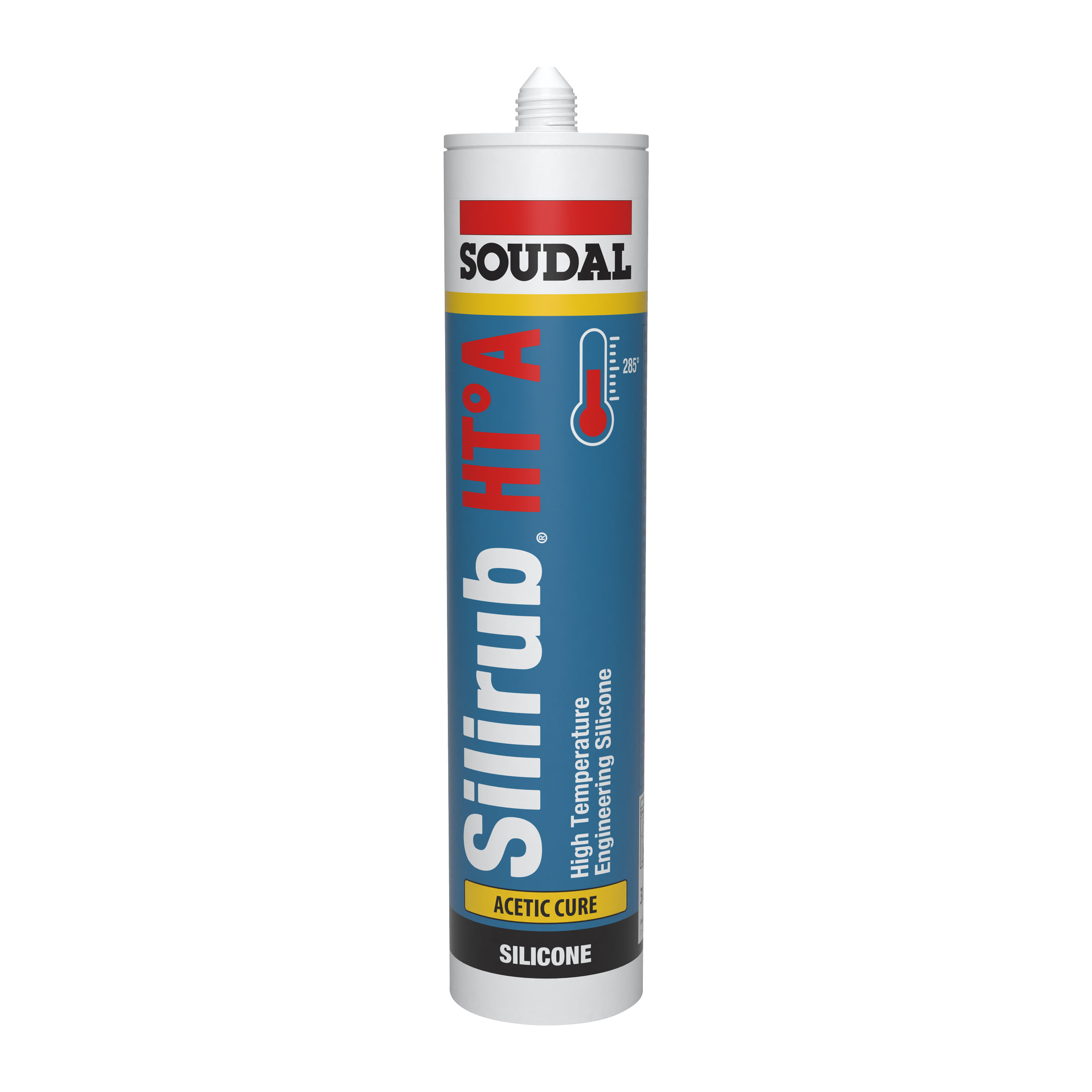
High-heat sealing. A high-temperature silicone, rated for continuous heat in engine bays, flues, and industrial applications.
Technical differentiators
- Cure type: Acetic (faster skinning, lower substrate compatibility) or neutral cure (broader compatibility, including some metals and natural stone)
- UV resistance: Standard through to roof-grade stabilisation for constant outdoor exposure
- Temperature range: Standard silicones for general use, with high-temperature variants for sustained heat
- Mould resistance: Fungicide additives in bathroom, kitchen, and sanitary silicones
- Paintability: Standard silicones are not paintable; choose a hybrid or acrylic where paint is required
Application guidance
Silicone is not paintable, so confirm the joint will not need painting before choosing it over a hybrid or acrylic. Clean the joint of old sealant, soap scum, and grease, since silicone will not bond over contamination. Mask either side for a straight line, tool within the open time, and remove masking before the surface skins. Ventilate the area during application and cure, particularly with acetic-cure and high-temperature products, and avoid water contact until fully cured. Use a neutral-cure product on metals, natural stone, and other substrates that acetic-cure silicone can affect.
Where to buy
Find Soudal silicone sealants through trade merchants and hardware stores across Australia. Use our store locator to find your nearest stockist, or contact us for technical advice on your project.
Silicone Sealants FAQs
What silicone is best for a bathroom?
A mould-resistant sanitary silicone, formulated with fungicide for continuous wet-area exposure around baths, showers, and vanities.
Is silicone sealant waterproof?
Yes, once fully cured. Soudal silicone sealants form a waterproof, flexible seal suited to wet areas, roofing, and guttering.
Can silicone sealant be painted?
No. Standard silicones repel paint due to their surface chemistry. If a joint needs painting, use a hybrid or acrylic sealant instead.
What's the difference between acetic and neutral cure silicone?
Acetic-cure silicone releases acetic acid as it cures, giving a sharp smell and faster skinning, but it is not suited to some metals or fresh masonry. Neutral-cure silicone has a milder cure and bonds to a wider range of substrates without the corrosion risk.
What's the difference between acetic and neutral cure silicone?
Yes. Roof and gutter and glazing silicones are UV-stabilised for exterior exposure. Confirm the product’s exposure rating on its technical datasheet.