
Key Takeaways:
Vacuum the gap: After you remove old frames or debris, use a vacuum to clear the joint. Small fragments can hide in the corners and ruin the bond of your new foam or sealant.
Kill germs and mould: After you’ve cleaned the area, wipe the joint with a bleach solution to kill any lingering spores. Wash the joint with soapy water afterward and let it dry completely. This prevents mould from growing behind your new seal.
Ensure it is bone dry: Trapped moisture will cause expanding foam and silicone to fail. Use a hairdryer to make sure the joint is perfectly dry before you start.
Smooth the bead: If you are finishing the perimeter with sealant, use a professional tool to create a consistent curve. This ensures a watertight finish and a professional look.
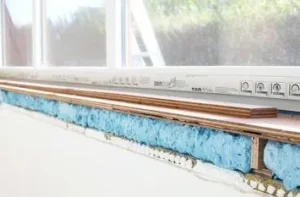
Installing Window and Door Joinery
Modern buildings are constantly shifting. Temperature changes and structural movements mean window joints need to stay flexible. If a seal is too rigid, it will crack and allow air to leak through over time. That is why we use specialised insulation materials to keep a consistent seal that doesn’t lose adhesion.
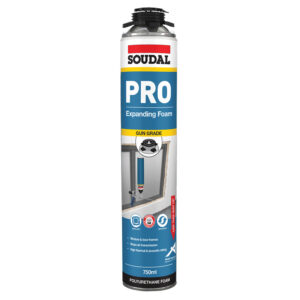
Our range delivers long-term performance by combining elasticity with high insulating power. Soudal Flexifoam Genius & Soudal Pro Flexifoam Gun Grade provides the perfect balance of flexibility and strength. It allows the joint to move naturally while preserving the building’s airtightness.
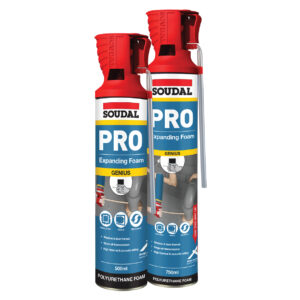
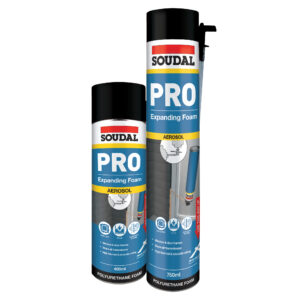
For general filling tasks, we offer Soudal Pro Expanding Foam Genius, Soudal Pro Expanding Foam Gun Grade, and Soudal Pro Expanding Foam Aerosol. These products provide fast expansion and bond strongly to most Australian building materials. They are excellent for stopping heat transfer and reducing noise from the street.
The Three-Layer Window Joint System
To achieve maximum protection, we recommend a three-layer approach to every installation.
Airtight Layer (Inside): This prevents warm indoor air from escaping and stops moisture from entering the wall cavity.
Insulating Core (Middle): This is where expanding foam provides superior sound and temperature control.
Weatherproof Layer (Outside): This shield protects the joint against driving rain, wind, and UV exposure.
By using these layers together, you can create energy-efficient joins that stay comfortable for years.
Ready to start your project? Use our Store Locator to find your nearest Soudal stockist and grab the right window installation tools today.
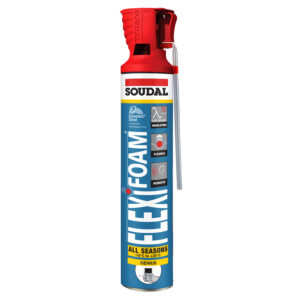
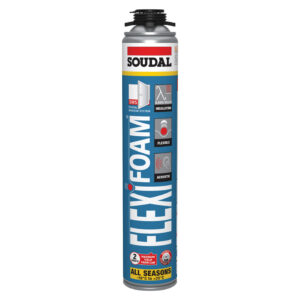
Soudal Pro Flexifoam Gun Grade
FAQs
What is the best foam for window installation?
We recommend Flexible Insulation Expanding Foam. It’s specifically engineered to stay elastic. This is important because windows expand and contract with the heat. Rigid foams can crack under this pressure, but our flexible formula maintains the seal.
Does expanding foam stop noise?
Yes, our expanding foams have excellent acoustic properties. By filling the entire cavity around a window frame, the foam blocks the air gaps that carry sound waves. This is a vital step for homes near busy roads or in city centres.
Can I paint over expanding foam?
Once the foam is fully cured, you can cut back the excess and paint over it. However, expanding foam is not UV resistant. You should always cover it with a trim or a layer of sealant if it is exposed to direct sunlight.
What is the difference between gun-grade and straw-grade foam?
Gun-grade foam like Gap Filling Expanding Foam – Gun Grade is for trade use with a foam gun. It offers better control and less waste. Straw-grade foam like Gap Filling Expanding Foam – Straw is ideal for one-off DIY tasks where you don’t need a dedicated applicator tool.