
Key Takeaways:
Use non-corrosive electrical silicones to safely seal and insulate around your outlets and conduit boxes.
Adhesive expanding foams provide a secure bond and fill gaps for a tight fit.
Our Australian range offers fast-curing and airtight options across manual, straw, and gun-grade formats.
These products are ideal for installations in walls, ceilings, and switchboards where precision matters.

Installing Electrical Outlets
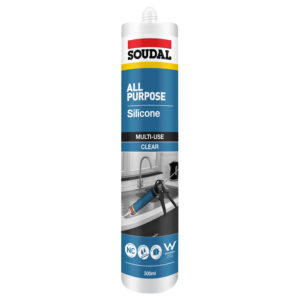
Safety and airtightness are your top priorities when installing electrical outlets. All Purpose Silicone provides a neutral cure formula that is safe to use around electrical components. It will not corrode copper wiring or sensitive terminals. This makes it perfect for sealing conduit, component mounts, cover plates, and conductor entry boxes.
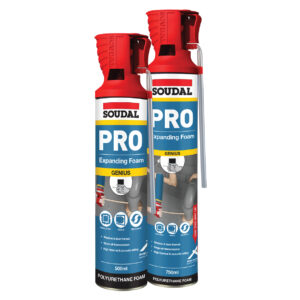
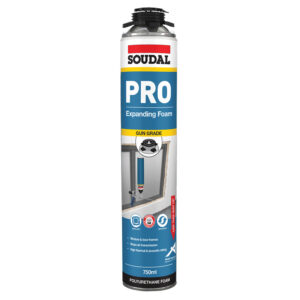
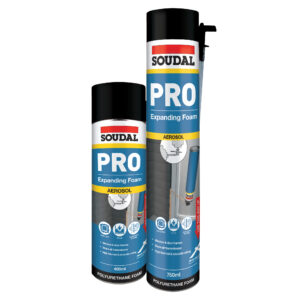
When you need to secure socket boxes into a wall cavity, expanding foam delivers excellent bonding strength. It fills the irregular gaps around the box to create a permanent seal. We offer several application methods to suit your specific site. Soudal Pro Expanding Foam Genius features our Genius Gun system for easy, one-handed operation. For quick, single-use tasks, Soudal Pro Expanding Foam Aerosol is highly efficient. Trade professionals handling large volumes of work should choose Soudal Pro Expanding Foam Gun Grade for precise trigger control and maximum yield.
These solutions are ready to use straight out of the can. They harden rapidly to save you time on site. They also improve the building’s thermal performance by stopping cold draughts from entering through the electrical sockets.
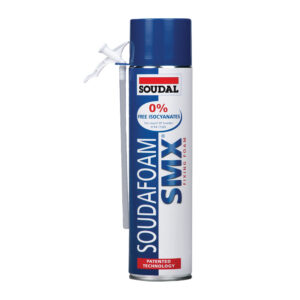
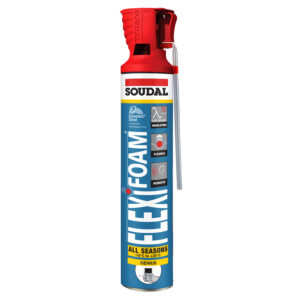
If you are working in a home that requires flexible joints due to structural movement, Soudal Flexifoam Genius or Soudal Pro Flexifoam Gun Grade stays elastic so the seal won’t crack. For projects focused on indoor air quality, Soudafoam SMX provides a brilliant isocyanate-free alternative.
Expert Tips For Success
Clean the cavity: Dust and plaster debris will ruin the adhesion of your foam or silicone. Vacuum the hole thoroughly before you insert the socket box.
Use a neutral cure silicone: Acid-cure silicones release acetic acid as they dry. This acid causes severe corrosion on electrical wires. Always check the label and use a neutral cure product like our All Purpose Silicone.
Moisten the substrate: Expanding foam cures faster when it reacts with moisture. Spray a light mist of water into the wall cavity before you apply the foam to improve the cell structure.
Don’t overfill: PU foam expands rapidly. Only fill the gap around the socket box to about 30 percent capacity so you don’t push the box out of alignment.
Ready to start your project? Use our Store Locator to find your nearest Soudal stockist and grab the right electrical sealing tools today.
FAQs
What type of silicone is safe for electrical wires?
You must use a neutral cure silicone. Acid cure silicones release acetic acid during the curing process. This acid corrodes copper wiring and electrical terminals. All Purpose Silicone is a neutral cure formula that is completely safe for these applications.
Can I use expanding foam to secure an electrical back box?
Yes. Expanding foam is an excellent way to secure a back box into a brick or blockwork wall. It expands to fill the irregular gaps and grips the box tightly. It also stops cold draughts from blowing through the socket into the room.
How do I clean up expanding foam if it gets on the wall?
If the foam is still wet, use an acetone-based foam cleaner to wipe it away immediately. Never use water on wet foam. Water forces the product to cure instantly. If the foam has already hardened, you must remove it mechanically with a scraper.