
Key Takeaways
Use sanitary sealants in bathrooms and kitchens to stop water leaks and mould growth.
Choose neutral-cure silicones for sensitive surfaces like natural stone to prevent permanent stains.
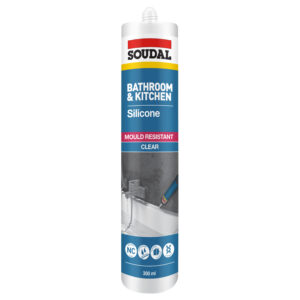
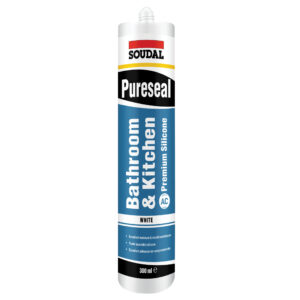
Our Australian range includes Bathroom & Kitchen Silicone and Pureseal Kitchen & Bathroom AC for brilliant anti-fungal protection.
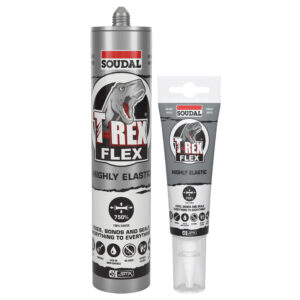
SMX hybrid polymers like T-Rex Crystal and T-Rex Flex provide waterproof bonds for modern fixtures and damp surfaces.
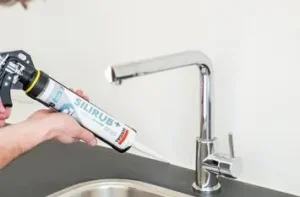
Sealing Sanitary Joints and Wet Areas
Sanitary sealants are your first line of defence against water damage and mould. Bathrooms and kitchens experience constant moisture and humidity. If you leave joints unsealed around your bath, shower, or sink, water quickly penetrates the wall cavity and rots the structural timber. You need a dedicated waterproof sealant that contains powerful anti-fungal agents to keep these areas clean and safe.
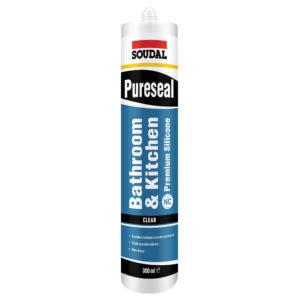
Our Bathroom & Kitchen Silicone provides excellent adhesion to tiles, acrylic baths, and glass. It resists mould and mildew perfectly in high-moisture environments. If you are working on a fast-paced residential fit-out, Pureseal Kitchen & Bathroom AC offers a rapid-curing acetic formulation that delivers a tough, waterproof finish.
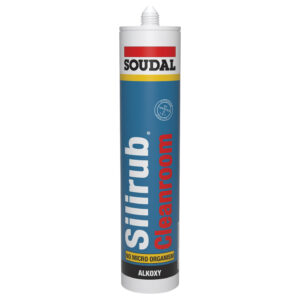
Sometimes you cannot fully dry a surface before you seal it. T-Rex Flex is an SMX hybrid polymer that displaces moisture instantly. It bonds strongly to damp substrates, making it perfect for emergency repairs around wet kitchen sinks or leaking shower trays. For specialised commercial environments like hospitals or food preparation areas, Silirub Cleanroom provides a highly certified, food-safe bond. It stops bacterial growth completely and withstands heavy chemical cleaning.
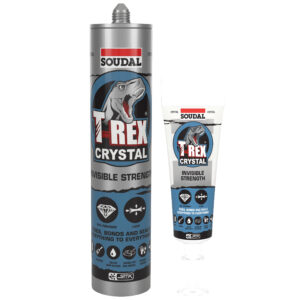
Pureseal Kitchen & Bathroom NC provides massive adhesion and elasticity without ruining delicate stone surfaces. For a completely clear finish on glass panels or stone splashbacks, T-Rex Crystal delivers an invisible SMX polymer seal that will never stain.
Ready to start your project? Use our Store Locator to find your nearest Soudal stockist and grab the right sanitary sealing tools today.
FAQs
How do I replace the mouldy silicone around my shower base?
Cut out the old silicone with a utility knife and apply a silicone remover gel to dissolve the remaining residue. Scrub the joint clean, wipe it with rubbing alcohol, and let it dry completely. Apply a fresh bead of Bathroom & Kitchen Silicone and smooth it with a tooling spatula.
Can I seal around a kitchen sink while the benchtop is wet?
You get the best results on a bone-dry surface. If you are in an emergency and cannot dry the area, use an SMX hybrid polymer like T-Rex Flex. It displaces moisture and bonds strongly even on damp substrates.
Which sealant should I use for a marble splashback?
You must use a neutral-cure sealant like Pureseal Kitchen & Bathroom NC. Acetic-cure silicones bleed into the porous marble and leave an ugly, permanent stain along the edge of your new splashback.
How long should I wait before using my newly sealed shower?
You should wait at least 24 hours before you let water touch the new sealant. This allows the silicone to cure fully through to the centre of the bead. Using the shower too early washes away the anti-fungal chemicals and ruins the watertight seal.