
Key Takeaways:
- Choose the right adhesive for your application: Select products based on your substrate and required grab strength, with options like high tack adhesives for framing and PU foam for masonry bonding.
- PU adhesive foam improves efficiency: Ready-to-use foam eliminates mixing, speeds up installation, reduces clean-up, and allows work to continue within hours.
- Plasterboard enhances insulation and acoustics: It helps reduce noise transfer and improves thermal performance, lowering energy costs when applied correctly.
- Preparation and correct installation are critical: Clean substrates, plan services in advance, use proper support for ceilings, and apply firm pressure to ensure optimal bonding performance.
Adhesives for Plasterboard Bonding
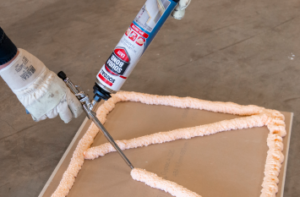
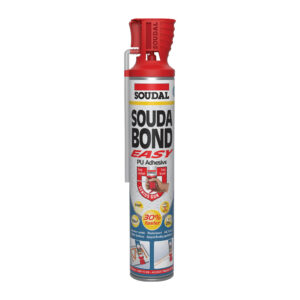
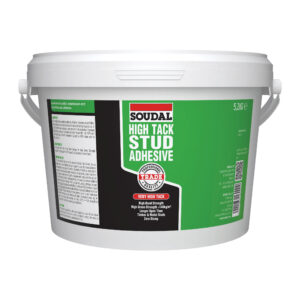
Adhesives for plasterboard installation handle interior wall lining and general construction. You must choose the right product based on your substrate and your required grab strength. Our Australian range includes High Tack Stud Adhesive for fast framing work and Soudabond Easy for clean masonry bonding. These options give you maximum reliability and gap-filling performance.
Installing plasterboard using PU adhesive foam removes the waiting time associated with traditional dot and dab methods. Soudabond Easy is a ready-to-use foam that requires no mixing or water. It is workable within just one hour. This allows you to finish time-sensitive projects faster and drastically reduces your clean-up efforts on site.
Plasterboard also helps reduce sound transmission to make rooms quieter. Standard 12.5mm sheets dampen noise effectively for residential builds. Gluing plasterboard directly to masonry improves your thermal insulation. It minimises heat loss and reduces energy bills. You can combine your plasterboard with dedicated thermal insulation materials to enhance this effect and maintain indoor comfort.
Expert Tips For Success
Consult an electrician: Plan your lighting placement and wiring completely before you install any plasterboard.
Check the substrate: Ensure your concrete or brick wall is clean and free of dust before applying adhesive foam. Dust ruins the chemical grip.
Support ceiling installations: You must mount ceiling drywall onto a wooden or metal framework using mechanical fixings. Do not rely on direct gluing for overhead applications.
Apply consistent pressure: Press the plasterboard firmly against the wall or studs to activate the grab and ensure full contact with the adhesive.
Ready to start your project? Use our Store Locator to find your nearest Soudal stockist and grab the right plasterboard adhesives today.
FAQs
Can I use Soudabond Easy instead of dot and dab?
Yes. Soudabond Easy replaces traditional mortar-based adhesives. It is much easier to apply, cures faster, and saves you money on heavy cement bags.
What surfaces does adhesive foam stick to?
PU adhesive foam adheres strongly to most common building materials. This includes bare concrete, brick, blockwork, and timber studs.
How long does plasterboard adhesive foam take to cure?
The foam cures very rapidly. You can start plastering or taping the joints after just one hour.
Which adhesive is best for timber wall frames?
Use High Tack Stud Adhesive for standard timber or metal framing. It provides excellent initial grab and gap-filling properties to keep your boards perfectly flush against the studs.