
Key Takeaways:
Use professional fillers to repair cracks, dents, and joints in gypsum plasterboard before you paint.
Choose between our lightweight options and heavy-duty fillers depending on your required drying time and sanding needs.
These products are ideal for plasterboard, cornices, ceilings, and walls.
They provide easy application, fast curing, and excellent paint adhesion for a flawless finish.
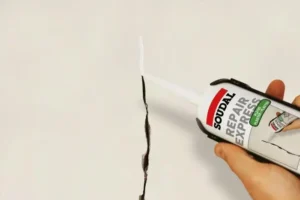
Repairing Gypsum Plasterboard Cracks
Preparation dictates the quality of your paint job. Minor imperfections like cracks, gaps, or uneven joints in gypsum plasterboard ruin the final result. You need a filler that provides a smooth and consistent finish every time.
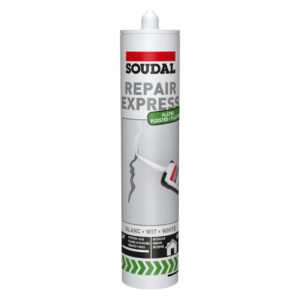
Repair Express Plaster is a brilliant choice to smooth out visible cracks, holes, and dents. Its high flexibility and easy application make it perfect for pre-paint prep on walls, ceilings, and trims.
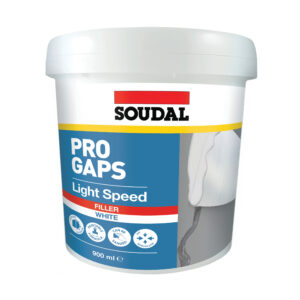
Light Speed Filler delivers an exceptional result when you need a finer finish that blends perfectly into the surrounding surface. It is incredibly lightweight and easy to sand. You can finish the job faster without compromising on quality.
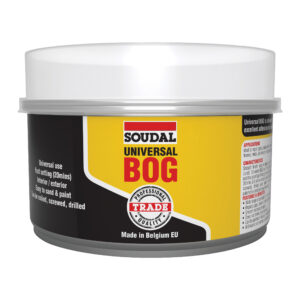
Universal Bog creates a strong and durable seal for larger repairs or deep joint lines across different materials. It will not shrink or crack over time. These fillers ensure your surfaces are completely prepped and ready for paint.
Expert Tips For Success
Clear the dust: Vacuum the crack before you apply the filler. This ensures the product bonds to the plasterboard instead of the loose debris.
Sand gently: Use a fine-grit sanding block to smooth the repair. Heavy grit leaves deep scratches in the filler that show straight through your paint.
Prime the repair: Always apply a coat of primer over the dried filler before your topcoat. This stops the filler from absorbing the paint differently than the rest of the wall.
FAQs
How do I fix a hairline crack in plasterboard?
Use a flexible product like Repair Express Plaster. Clean the crack, press the filler in firmly with a spatula, and scrape off the excess. Let it dry and give it a light sand before you paint.
Why do the cracks in my plasterboard keep returning?
Recurring cracks happen because of structural movement in the wall framing. A hard filler breaks if the wall moves continuously. You might need to tape the joint or use a flexible acrylic sealant instead to absorb the movement.
Do I need to use joint tape with these fillers?
You do not need tape for small dents and surface cracks. You must use paper or fibreglass tape embedded in a jointing compound first if you are joining two new sheets of plasterboard or fixing a large structural crack.
How long should I wait before painting the repaired wall?
Always wait for the filler to dry completely. Lightweight products like Light Speed Filler dry very quickly. Deeper fills take longer. Check the technical data sheet on your specific product for exact curing times.