
Key Takeaways:
Matching your adhesive to the material weight and substrate ensures a professional, permanent bond.
Specialised formulas accommodate natural expansion in timber and help prevent floor boards from warping.
Proper surface preparation and correct trowel selection reduce installation errors on-site.
Our Australian range includes high-performance solutions like LVT Premium Adhesive and SMX-30 Plus.
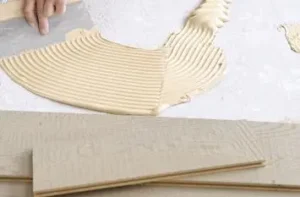
Bonding Flooring Materials
Professional flooring results depend on precision and using the right adhesive for each substrate. Whether you lay timber, luxury vinyl tiles (LVT), or carpet, the bond must withstand heavy foot traffic and structural movement. Every material has unique requirements for weight and installation method.
Material weight and the local environment determine the best formula for your project. High-traffic commercial zones and heavier floor coverings require adhesives with a strong initial grab. These products often feature gap-filling properties to level out minor subfloor imperfections. Lighter materials like LVT need a flexible bond. This allows the floor to shift slightly as temperatures change without causing the edges to lift or peel.
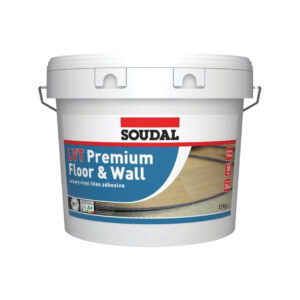
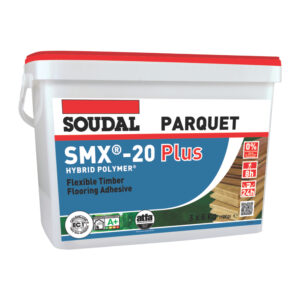
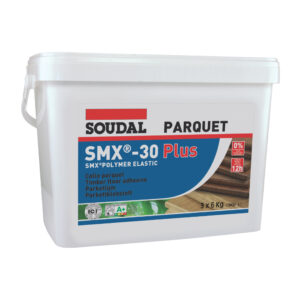
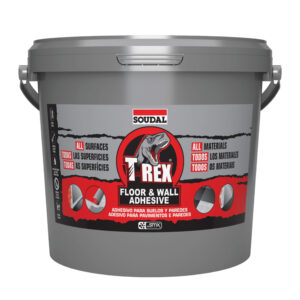
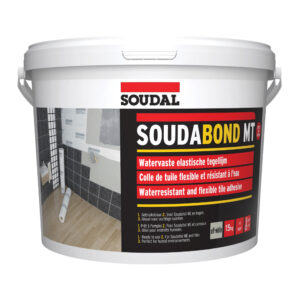
LVT Premium Adhesive is the standard choice for vinyl projects in Australia. It provides a high-strength bond with a fast curing time. For timber and engineered wood, SMX-20 Plus and SMX-30 Plus offer a hybrid polymer formula that stays elastic. These products allow for the natural expansion of wood during humid seasons. If you need a versatile solution for multiple surfaces, T-REX Floor & Wall Adhesive or Soudabond MT provide a reliable trade-grade result.
Choosing the correct product ensures even bonding across the entire floor. This reduces the risk of hollow spots or structural failure. It also speeds up the work on-site by providing predictable curing times and a durable finish.
Expert Tips For Success
Vacuum the gap: After you remove old flooring or scrapers, use a vacuum to clear the joint. Small fragments of old material can hide in the corners and ruin your new finish.
Kill mould and germs: After you remove old silicone and use a sealant remover, wipe the joint with a bleach solution to kill any lingering germs. Then wash the area with soapy water and allow it to dry completely before you add new sealant.
Ensure it’s bone dry: Any moisture trapped in the gap will cause new adhesives or silicones to fail. Use a hairdryer to make sure the joint is perfectly dry before application.
Smooth the bead: Use a professional finishing tool to create a clean and consistent curve on your new joint. This ensures a watertight seal and a professional look.
Ready to start your project? Use our Store Locator to find your nearest Soudal stockist and grab the right flooring tools today.
Can flooring adhesives also be used for wall coverings?
Bonding flooring and wall coverings requires highly specific adhesives. Wall coverings like cork, wood panels, or stone strips require massive vertical grab so they do not slide down the plasterboard. Variations in weight, size, and substrate demand the correct glue to guarantee a high-quality result.
Wall installations demand high immediate tack. T-Rex Floor & Wall offers incredible grab for heavy decorative elements. You can secure thick stone strips or timber feature panels directly to the wall without temporary mechanical fixings. For professional commercial fit-outs, Soudabond MT is a brilliant acrylic dispersion adhesive designed for soft floor and wall coverings.
FAQs
What is the best adhesive for LVT flooring?
For luxury vinyl tiles, we recommend LVT Premium Adhesive. It’s designed to provide high-strength adhesion while allowing for the slight movement typical of vinyl products. It also has a fast curing time so you can walk on the floor sooner.
Can I bond timber flooring directly to a concrete subfloor?
Yes, you can bond timber to concrete using a hybrid polymer adhesive like SMX-30 Plus. This adhesive creates a permanent bond while remaining flexible. This flexibility is vital because timber and concrete expand at different rates in Australian conditions.
How long does flooring adhesive take to dry?
Curing times vary based on the specific product and room temperature. Most of our professional adhesives allow for light foot traffic within 24 hours. Always check the technical data sheet for your specific Soudal product before you move heavy furniture back onto the floor.
Can these adhesives be used with underfloor heating?
Yes. SMX-30 Plus is suitable for flooring installations over underfloor heating systems.